Most people assume their tap water is safe because it has been treated, filtered, or regulated. While public water systems follow federal guidelines, the quality of water at the tap can vary widely depending on geographic location, seasonal changes, infrastructure age, and local environmental factors. Contaminants—both naturally occurring and human-made—can appear in water supplies in measurable levels, even when the water meets regulatory limits.
Households across the country are becoming more aware of these variations, especially as reports of PFAS, lead, microplastics, and other emerging contaminants make headlines. Seasonal factors, weather events, and construction disturbances can also affect what comes through your tap. Understanding these risks isn’t about causing alarm; it’s about having clear information so you can make informed decisions for your home and family.
This blog explores common categories of contaminants, how they enter water systems, and why many households choose purification distillation to produce consistently pure water for drinking, cooking, and everyday use.
What Counts as a “Contaminant”?
A contaminant is anything in water that isn’t pure H₂O. The U.S. Environmental Protection Agency (EPA) groups contaminants into several major categories:
Aging pipes releasing metals such as lead or copper
Pipe disturbances caused by construction or temperature swings
Water main breaks, allowing debris to enter the system
Even when treatment plants are functioning properly, contaminants can still enter the water supply between the treatment facility and the tap.
Hard Water Minerals: The Most Common Household Contaminants
Many U.S. households experience hard water—water that contains elevated levels of minerals. These minerals can be calcium, iron, magnesium, arsenic, nitrates, mercury, etc. These minerals can affect:
Scaling in kettles, humidifiers, and coffee makers
The lifespan of your appliances
Pure Water distillation removes contaminants and minerals by 99.9%, which is why many homeowners prefer distilled water for drinking.
Disinfection Chemicals and Byproducts
Chlorine and chloramine are commonly used to disinfect municipal water. These treatment chemicals are used to kill microorganisms in water, but some studies suggest that chlorine in drinking water can affect the risk of colon and rectal cancers.
When chlorine interacts with naturally occurring organic matter, it can form compounds known as disinfection byproducts (DBPs). These compounds are regulated by the EPA and monitored regularly, but levels can fluctuate depending on location.
Distillation effectively separates disinfectants and many byproducts from water through evaporation and condensation.
Nitrates, Pesticides, and Agricultural Runoff
In agricultural regions, water quality can be affected by:
Nitrates from fertilizers and animal operations
Pesticides and herbicides used in farming
Organic matter from runoff after heavy rain or snowmelt
These contaminants can enter groundwater and surface water, potentially reaching private wells and community water systems. Distillation removes these contaminants because they do not evaporate with water during the boiling process, thus producing pure H2O.
Heavy Metals from Aging Infrastructure
Water systems across the U.S. rely on pipes that are decades old. Over time, plumbing materials can deteriorate, potentially releasing metals such as:
Lead
Copper
Iron
Manganese
Lead can leach from older service lines or household plumbing. While corrosion control is used by public utilities, testing shows that disturbance events like construction, temperature changes, or water chemistry shifts can influence metal levels.
Distillation is highly effective at removing heavy metals, since they remain behind in the boiling chamber rather than evaporating.
PFAS and Other “Emerging Contaminants”
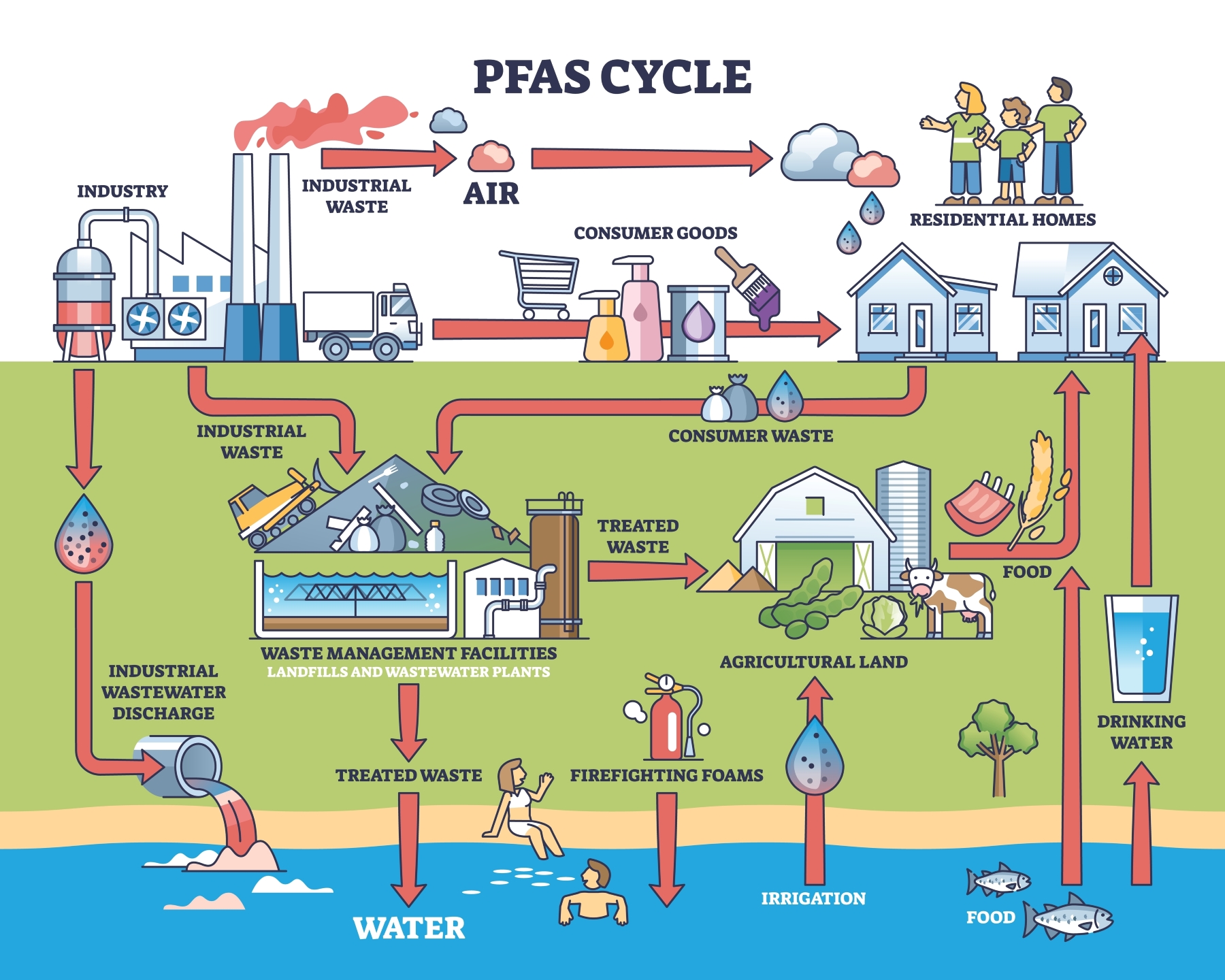
“Forever chemicals,” including PFAS (per- and polyfluoroalkyl substances), have been detected in many water supplies across the U.S. These compounds are used in nonstick pans, waterproof fabrics, firefighting foam, and industrial processes.
PFAS do not break down easily and can travel through soil and water systems. Federal and state agencies continue to evaluate limits and treatment methods for these emerging contaminants.
Distillation has shown strong performance in removing a wide variety of chemical contaminants, including PFAS compounds, based on third-party testing and scientific literature.
Many people are surprised to learn that water quality is not consistent year-round. Seasonal factors can influence contaminant levels, including:
Spring snowmelt or heavy rain
Summer Algae blooms
Fall agricultural activity
Winter road salts and runoff
Cold-weather pipe corrosion
Infrastructure stress during freezing and thawing cycles
Even a temporary change in source water conditions can affect what comes out of the tap.
Why Many Households Choose Distillation for Consistent Purity
Distillation mirrors the natural hydrologic cycle—evaporation, condensation, and collection. Because contaminants do not evaporate with water vapor, distillation removes:
Dissolved solids
Heavy metals
Organic chemicals
Microorganisms
PFAS and emerging contaminants
Volatile compounds (with the help of activated carbon post-filters)
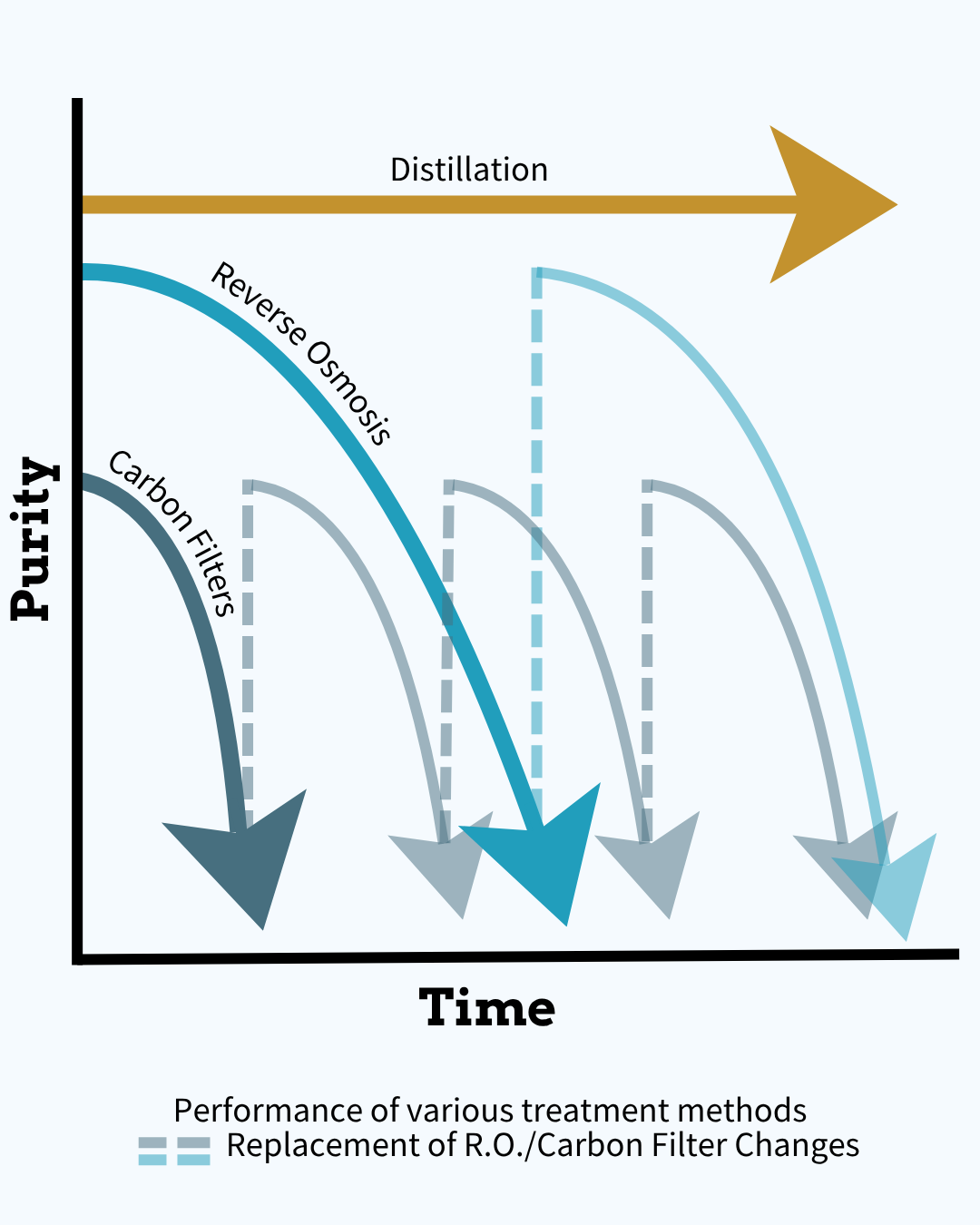
Unlike filters, which gradually lose effectiveness as they saturate, distillation produces a reliable level of purity every cycle. This makes distilled water an appealing choice for drinking, cooking, brewing beverages, cleaning appliances, humidifiers, and more.
Why Distillation Stands Out: Consistent Purity You Can Trust
When it comes to removing a broad range of contaminants, distillation remains the most reliable and time-tested method of purification available. Distillation gives households a simple, predictable way to produce pure H₂O regardless of seasonal changes, treatment variations, or fluctuations in tap water quality. Distillation outlasts other purification methods.
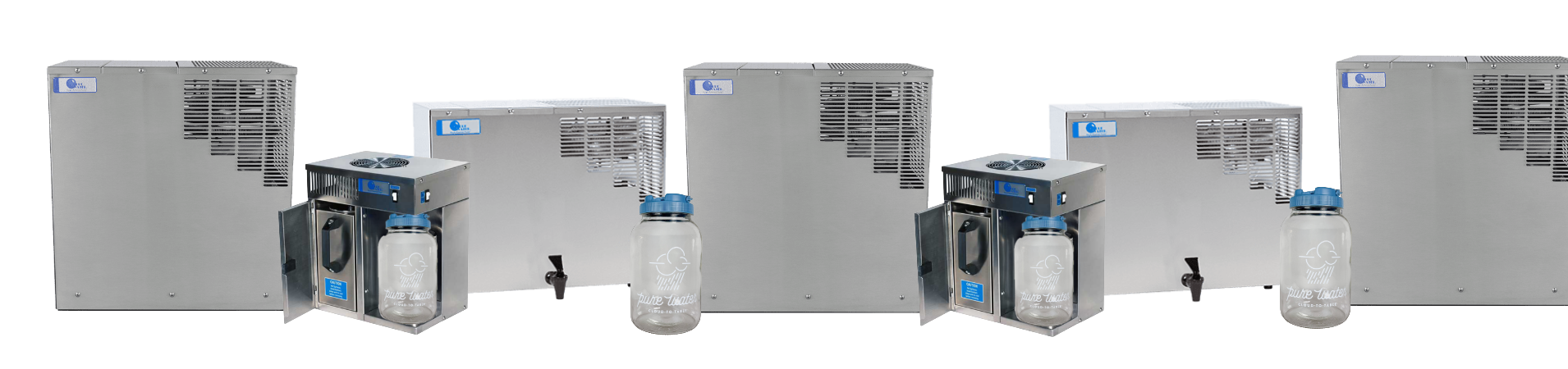
Pure Water Distillers are built to deliver this level of consistent purity with durable stainless-steel construction, minimal maintenance needs, and dependable performance cycle after cycle. Each unit is designed, engineered, and assembled in the USA with a focus on longevity and reliability. For families who want greater control over what goes into their water—without relying on filter changes or municipal conditions, a home distiller offers a practical, long-term solution. It’s an investment in consistent purity, day after day.
Conclusion: Knowing What’s in Your Water Helps You Make Informed Choices
Contaminants come from many sources—some natural, environmental, and related to infrastructure. While public water systems work to meet regulatory standards, variations still occur at the household level based on location, season, plumbing, and other factors. What is “standard” for public water systems isn’t always the standard people want for their families, health, and consumption. That’s why distillation is the gold standard of water purification. Instead of letting others choose the standard, you can choose the standard by drinking 99.9% contaminant-free distilled water.
Choosing to purify your water at home gives you greater control over consistency and taste. Distillation offers a reliable, time-tested method for separating contaminants from pure H₂O, giving families a simple way to ensure the water they use every day is as pure as possible.




Leave a Reply