

Chlorine in Drinking Water: What It Is and How It Works
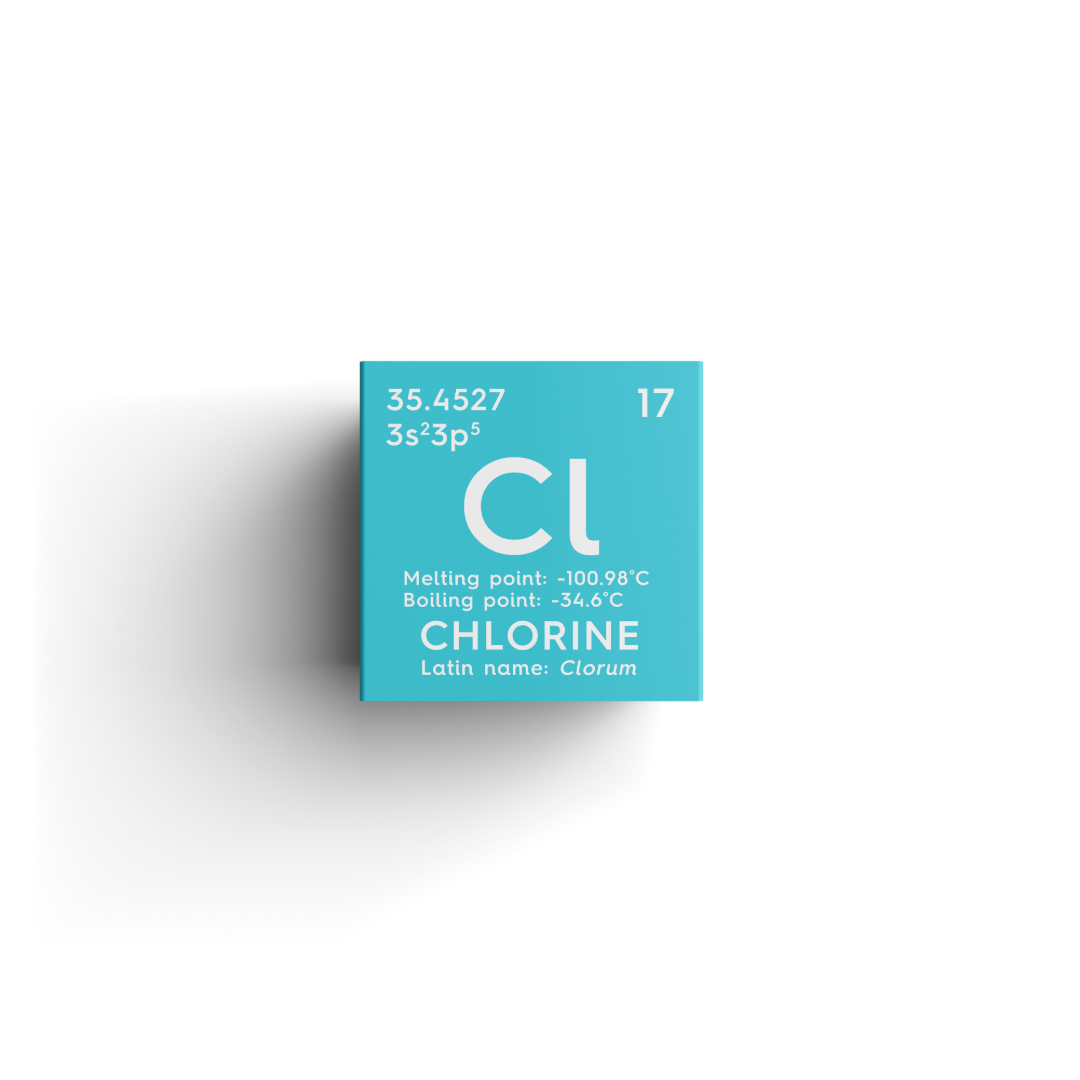
Chlorine is a chemical element used widely in water treatment to disinfect public water supplies. Its primary public-health role is to inactivate or kill bacteria, viruses, and other pathogens that can cause serious illnesses such as typhoid fever, cholera, and dysentery. This disinfection practice has been fundamental in reducing waterborne disease since the early 20th century.
In municipal water systems in the United States, chlorine or related disinfectants (e.g., chloramine) are applied in low concentrations, typically measured in parts per million (ppm). Levels are set to limit chlorine in drinking water, but chlorine can still affect our health.
Chlorine in Tap Water and Human Health
At the levels used for disinfection, chlorine itself has not been conclusively shown to cause adverse health effects in people. Public health agencies state that chlorine concentrations used to disinfect drinking water are safe for human consumption and are essential to prevent waterborne infections.
However, when chlorine reacts with naturally occurring organic matter in source water, it can form disinfection byproducts (DBPs). DBPs can include trihalomethanes (THMs) and haloacetic acids (HAAs), among others. These substances have been the focus of epidemiological research due to potential associations with long-term health outcomes at high exposure levels.
Cardiovascular Health: What the Evidence Shows
Indirect Considerations: Disinfection Byproducts (DBPs)
A more scientifically meaningful focus in health research has been on DBPs rather than chlorine itself. These byproducts form because chlorine reacts with organic materials in raw water, and they are present in most treated water systems at trace levels.
Some studies have suggested associations between DBP exposure and adverse pregnancy outcomes, including congenital heart defects in infants. For example, epidemiological analyses have found an increased risk of some congenital cardiac anomalies with higher DBP exposure. However, these findings are not definitive, and larger, more controlled studies are needed.
When discussing “cardiovascular effects,” it’s important to clarify that these are associations, not proven causal relationships. Observational research cannot entirely exclude other contributing factors, such as socioeconomic, environmental, or lifestyle influences.
Scientific Consistency: Disinfection Byproducts and Health
Several broad reviews of DBPs in public water systems have reached cautious conclusions:
- Associations have been observed between long-term exposure to certain DBPs and increased risks of some cancers (e.g., bladder and colorectal cancer) in a few epidemiological studies. However, the evidence is not definitive, and regulatory limits are set to minimize potential risks.
- Some studies have reported possible links between DBPs and reproductive and developmental outcomes, including small increases in specific congenital disabilities.
- A small number of studies hint at altered lipid metabolism or other indirect metabolic changes in experimental settings, but human data are limited and inconsistent.
The current body of scientific evidence supports more robustly the protective benefit of chlorination against acute, potentially life-threatening waterborne infections — a cornerstone of modern public health.
Limitations of Current Research
It’s crucial to understand the limitations of epidemiological studies in this area:
- Many early studies had small sample sizes or were conducted in populations with exposure levels not representative of regulated drinking water systems in developed countries.
- DBP measurements are often imperfect proxies for individual exposure over time.
- Confounding factors (like other environmental exposures or lifestyle behaviors) can influence outcomes.
- Most research examines associations, not direct causation.
Because of these limitations, authoritative sources emphasize that more high-quality, long-term studies are required to clarify any potential health effects of DBPs, including subtle cardiovascular outcomes.
Regulation and Safety Standards
Regulatory frameworks in the United States and other developed countries recognize both the benefits and potential risks of chlorination:
- EPA regulations set maximum contaminant levels (MCLs) for regulated DBPs, such as total trihalomethanes and haloacetic acids, to balance disinfection benefits with minimizing byproduct exposure.
- Water systems are regularly monitored, and utilities must take corrective action if DBP levels exceed regulatory limits.
These standards are designed to protect public health while ensuring microbiologically safe drinking water. These standards do not account for the full range of contaminants that can be found in tap water. Contaminants that, when mixed with chlorine, become potentially dangerous to human health. When we read about the “standards” set by regulation systems, they may not be the standards we want for ourselves and our families. That can cause an individual to look elsewhere when exploring drinking water options.
How can chlorine affect the body?
We already talked about how chlorine can affect our health when ingested, but did you know it can also affect our skin, hair, and nails?
Have you ever gotten into the shower and noticed that your water smelled somewhat like the local pool down the street? That probably means that your water contains a higher amount of chlorine. Chlorine can affect your hair by stripping it of its natural oils, making it more brittle.
Chlorine can also dry out your skin more quickly, leading to skin rashes. Not to mention, your eyes can dry out and become irritated when exposed to chlorinated water. Many choose to use a shower filter to bathe in cleaner water and help to protect their skin and hair.
Practical Considerations for Individuals
If individuals are concerned about chlorine or DBPs in their water, there are safe, established options:
- Activated carbon filtration systems certified for chlorine and DBP removal can reduce levels of taste-and-odor compounds and chlorine, provided they are properly maintained.
- Distillation removes chlorine through evaporation, condensation, and precipitation, producing water that is 99.9% free of contaminants.
- Letting tap water stand uncovered for a short time at room temperature can allow some chlorine to dissipate naturally.
- Consulting local water quality reports (Consumer Confidence Reports) gives accurate data on disinfectant and DBP levels in a specific water system.
Weighing Benefits and Perceived Risks
Chlorination of public drinking water remains a critical public health tool that has dramatically reduced outbreaks of infectious disease. At the regulated, low concentrations used in water treatment, chlorine alone has not been definitively shown to cause heart disease or other chronic health conditions.
Public health authorities around the world continue to endorse chlorination as a safe and effective method for providing microbiologically safe drinking water. With regulatory systems in place to limit harmful byproducts while maintaining disinfection, the benefits of chlorinating water outweigh the negatives.
For individuals seeking enhanced water quality beyond regulatory standards, certified filtration technologies and distillation are options, and the decision to use them is based on personal preference and careful evaluation of local water quality data.
Interested in purchasing your own Pure Water Distiller?
Shop Now!

Leave a Reply