Most of us have heard this advice so often that it feels like a hard rule. But when you start digging into hydration science, it becomes clear that the answer isn’t quite that simple. Water needs vary from person to person, and hydration depends on more than just how many glasses you drink.
So how much water do you really need each day? And how can you tell if you’re getting enough?
Let’s break it down.
Why Water Matters So Much
Water makes up roughly 50–70% of the human body, depending on age, gender, and body composition. It plays a role in nearly every essential function, including:
Regulating body temperature
Transporting nutrients
Supporting digestion
Lubricating joints
Helping to remove waste
Even mild dehydration can affect how you feel day to day. That’s why maintaining proper hydration is essential, not as a health “hack,” but as a foundational habit.
Where Did the “8 Glasses a Day” Rule Come From?
The “8×8 rule” (eight 8-ounce glasses per day, or about 64 ounces) is easy to remember, which is why it stuck. However, it wasn’t originally intended as a one-size-fits-all prescription.
Hydration recommendations have evolved as researchers gained a better understanding of how fluid balance works. Today, most health organizations emphasize ranges and individual needs, rather than a single fixed number.
General Daily Water Intake Guidelines
Instead of a strict rule, experts often point to adequate intake (AI) ranges that include water from all sources, as well as beverages and foods.
Commonly cited daily intake guidelines for adults are:
Men: ~3.7 liters per day (about 125 ounces)
Women: ~2.7 liters per day (about 91 ounces)
It’s important to note that 20–30% of daily water intake often comes from food, especially fruits and vegetables. That means the amount of plain water you need to drink may be less than these totals suggest.
Factors That Change How Much Water You Need
Your ideal water intake depends on several variables:
Body Size and Composition
Larger bodies generally require more water to maintain fluid balance.
Activity Level
Physical activity increases fluid loss through sweat. The more you move, the more water you typically need to replace losses.
Climate and Environment
Hot, humid, or high-altitude environments can increase water needs, even if you aren’t exercising.
Diet
Diets high in salt, protein, or processed foods may increase thirst. On the other hand, diets rich in fruits and vegetables naturally provide water.
Life Stage
Pregnancy and breastfeeding increase fluid requirements due to higher metabolic demands and increased liquid transfer.
Is It Possible to Drink Too Much Water?
Yes, though it’s uncommon.
Drinking excessive amounts of water in a very short time can disrupt electrolyte balance, particularly sodium levels. This condition is known as water intoxication or hyponatremia.
For most healthy people, thirst and normal kidney function regulate intake effectively. The key is balance, not extremes.
Signs You May Not Be Drinking Enough Water
Your body provides helpful signals when you’re dehydrated. Common signs include:
Thirst
Dark yellow urine
Dry mouth or lips
Fatigue
Headaches
Dizziness
Do Coffee, Tea, and Other Drinks Count?
Yes, to a degree.
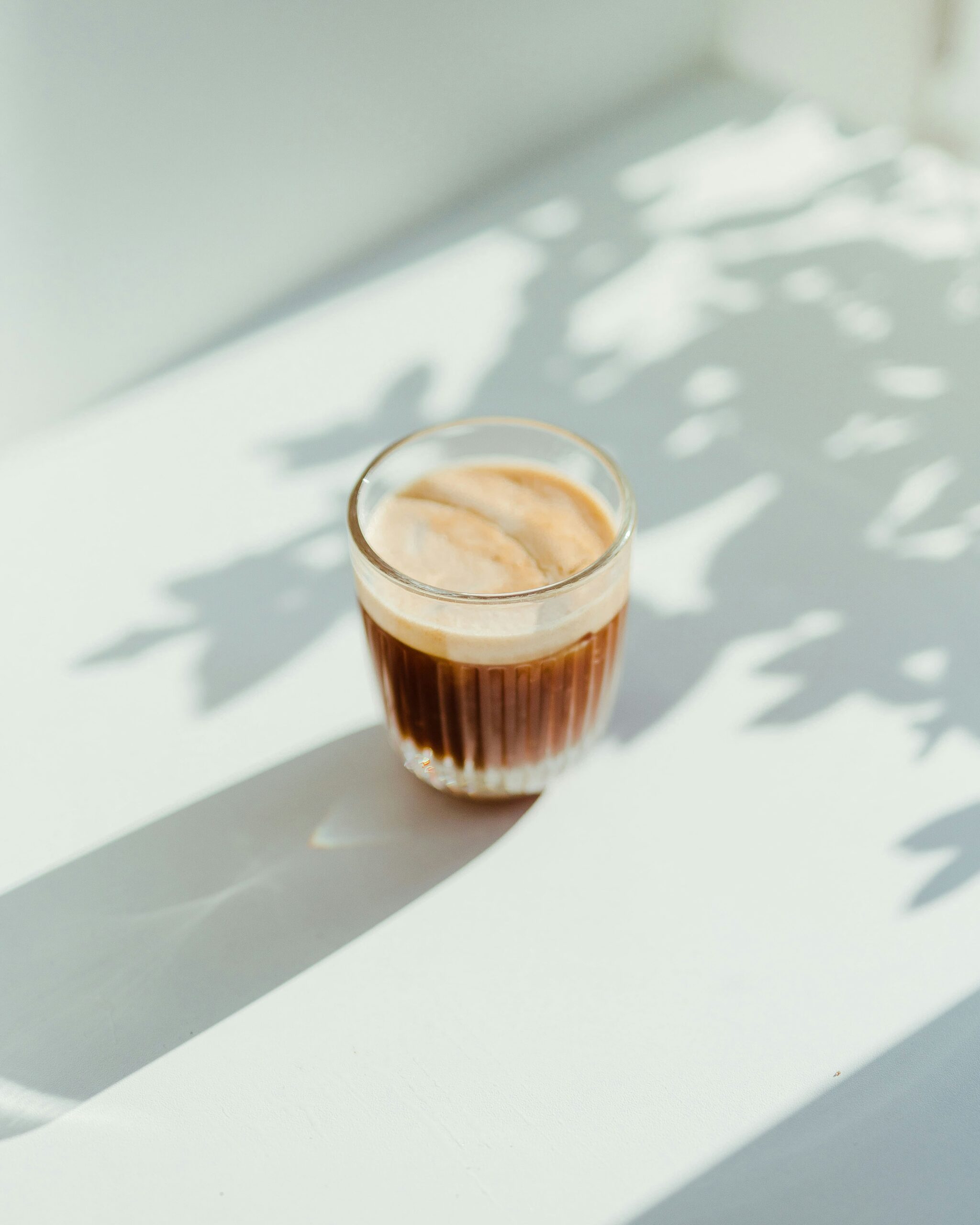
Water from beverages like coffee, tea, milk, and even juice contributes to daily fluid intake. While caffeine has a mild diuretic effect, research shows that moderate caffeine consumption does not significantly dehydrate most people.
That said, plain water remains the most reliable and straightforward way to hydrate without added sugars, acids, or additives.
What About Electrolytes?
Electrolytes such as sodium, potassium, and magnesium help regulate fluid balance. Most people who consume a typical diet get sufficient electrolytes from their diet.
Electrolyte drinks may be helpful during prolonged or intense physical activity, but they are not necessary for everyday hydration for most individuals.
Does Water Quality Matter in Hydration?
Hydration isn’t just about quantity; quality matters, too.
Water quality can vary by location, source, and treatment methods. While municipal water is regulated, it may still contain disinfectant byproducts, minerals, and trace contaminants, depending on local conditions.
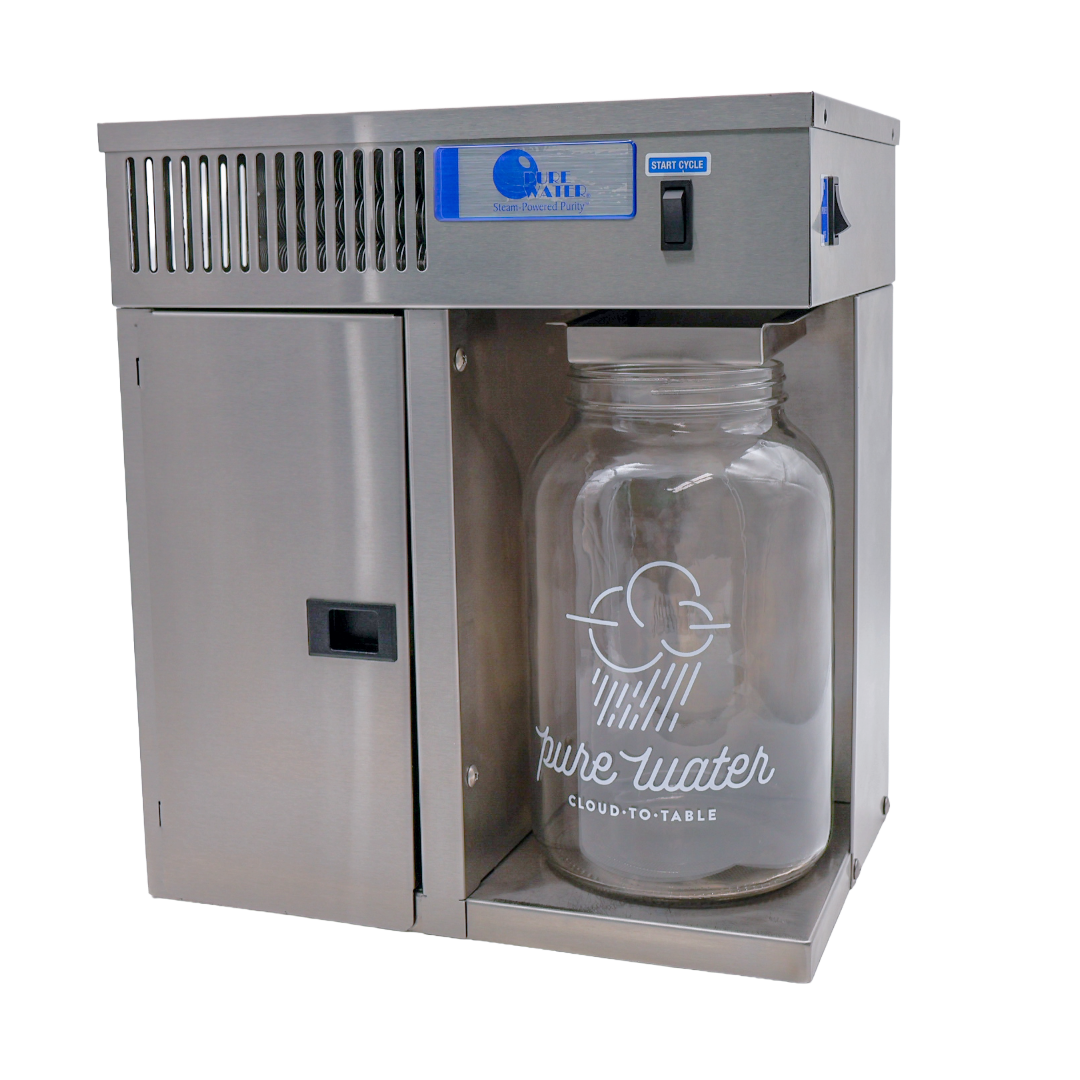
Many people choose filtration or distillation systems to remove impurities and provide a consistent source of clean, neutral-tasting water. Distillation mimics the natural water cycle, leaving many dissolved solids behind.
Choosing water you enjoy drinking can also make it easier to stay consistently hydrated.
The Best Form of Hydration
When it comes to hydration, pure H₂O is considered the most straightforward and effective option. Water in its simplest form contains no added sugars, flavors, or contaminants that may interfere with the body’s natural fluid balance. Because it is calorie-free and free of impurities, pure water allows the body to hydrate without introducing unnecessary substances that must be processed or filtered out.
From a physiological standpoint, water is the body’s primary medium for transporting nutrients, regulating temperature, and supporting normal cellular function. Choosing water free of dissolved solids, chemicals, and residual byproducts can help ensure clean, consistent hydration. Many people find that neutral-tasting, high-purity water is easier to drink regularly, supporting steady hydration throughout the day. Unlike sweetened beverages or enhanced waters, pure H₂O provides hydration without masking thirst cues or encouraging overconsumption.
In this way, hydration becomes more straightforward and more intuitive. While individual water needs vary, choosing water in its purest form aligns with how the body naturally uses fluids, making pure H₂O a practical and reliable foundation for everyday hydration.
The easiest way to consume pure H₂O is through distillation. Distillation produces pure H₂O by closely replicating the natural water cycle through a controlled, mechanical process. During distillation, water is heated to its boiling point and turns into steam. Because water vaporizes at a lower temperature than many dissolved solids, heavy metals, minerals, and numerous contaminants are left behind in the boiling chamber. The steam is then cooled and condensed back into liquid water, yielding water free of dissolved solids and impurities.
How to Build Better Hydration Habits
Instead of focusing on hitting an exact number, consider these practical strategies:
Start your day with water
Sip consistently, rather than chugging large amounts at once
Drink when you’re thirsty, and slightly ahead of thirst during activity
Pair water with routines (meals, workouts, breaks)
Use a reusable bottle to track intake visually
Hydration should feel sustainable, not forced.
A Smarter Way to Think About Water Intake
Rather than asking, “How many ounces should I drink?” a better question may be:
“Am I supporting my body’s needs throughout the day?”
Hydration is dynamic. Your needs change daily based on movement, environment, and diet. Listening to your body, paying attention to hydration cues, and choosing clean, high-quality water can help you stay balanced without overthinking it.
Hydration can be fun!
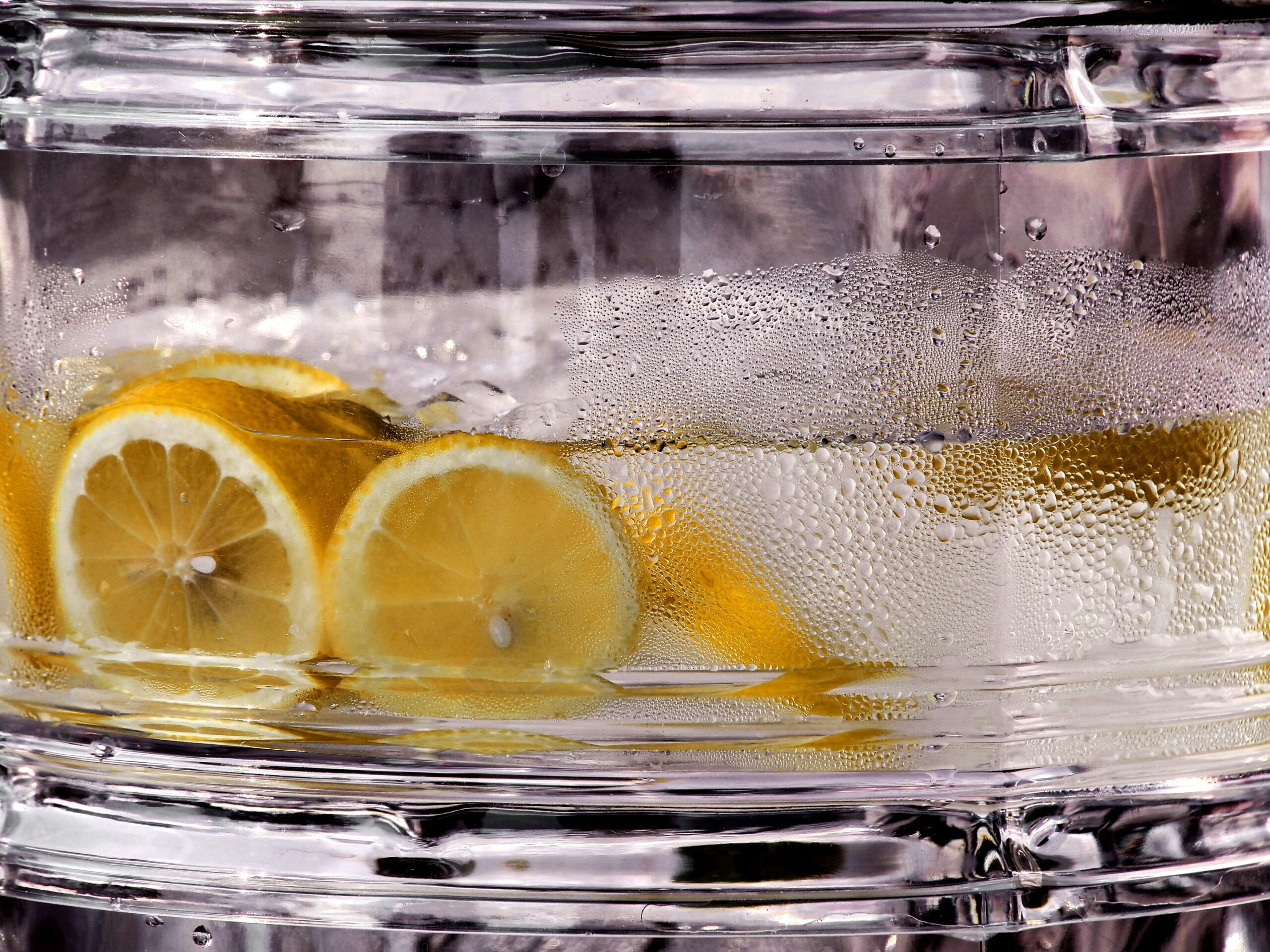
Hydration can be more than a box you check daily. It can be enjoyable! We have seen a massive surge of people choosing to add mix-ins to their water. While electrolytes are a popular option, others prefer to infuse water with fruits and herbs or add syrups and flavors to enhance its taste.
Final Thoughts
There is no universal hydration rule that works for everyone. While general guidelines provide a helpful starting point, the right amount of water depends on your body and lifestyle.
By focusing on consistency, quality, and awareness, rather than rigid numbers, you can support hydration in a way that feels natural and sustainable.




Leave a Reply