
World Water Day 2026
Every year on March 22, people around the world recognize World Water Day, a global observance established by the United Nations to focus attention on one of our most essential resources: water.
The day serves as a reminder that while water covers most of the planet, access to reliable, clean drinking water is not as simple as turning on a faucet everywhere in the world. It also highlights how personal choices, especially the way we source and consume water at home, can have a meaningful environmental impact.
For many households, one of the most overlooked water habits is the daily use of single-use plastic water bottles. Convenience often drives the decision, but over time, bottled water can create significant waste, increase household costs, and add unnecessary packaging to something many people use every day.
World Water Day is an ideal time to examine how water habits affect both purity goals and waste generation, and why distillation offers a practical, long-term alternative.
Why World Water Day Matters
World Water Day was first observed in 1993 and has since become a major international moment to discuss water sustainability, access, infrastructure, sanitation, and conservation.
Each year, the theme changes, but the central message remains consistent: water is essential, and the way we manage it matters.
For households in developed countries, water conversations often focus on treatment technologies, infrastructure reliability, contamination concerns, and long-term sustainability. While many people first think of drought or shortages, another major issue is the environmental footprint of drinking water packaging and delivery.
That includes bottled water.
The Hidden Scale of Plastic Bottle Waste
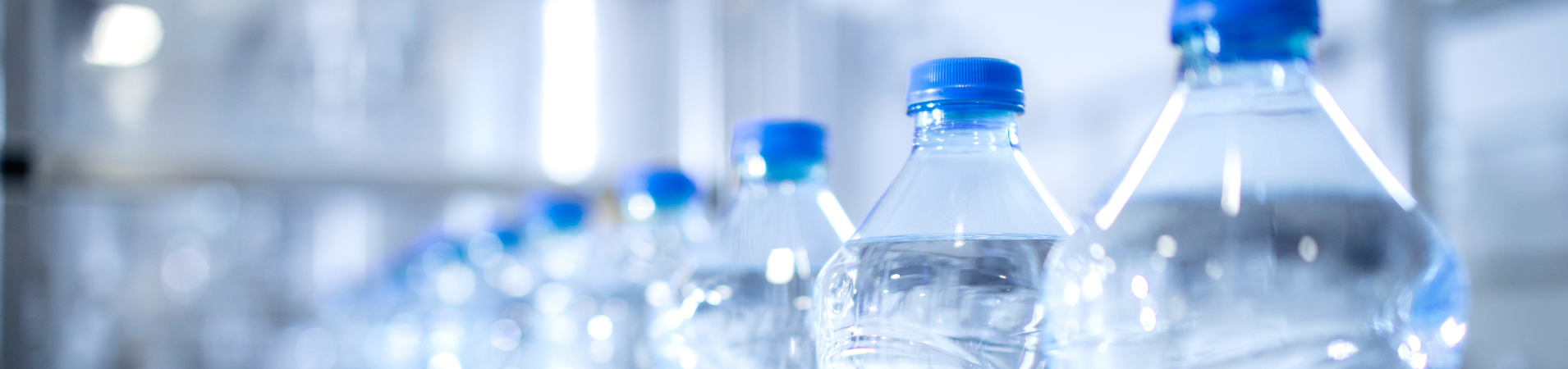
Single-use plastic bottles remain one of the most common forms of consumer plastic waste worldwide.
Earth Day Network estimates that millions of plastic bottles are purchased every minute globally, and a significant portion are used for drinking water.
Even when bottles are recyclable, many do not actually make it through the recycling stream. Some are improperly discarded, while others end up in landfills due to contamination, sorting issues, or a lack of local recycling infrastructure.
Plastic bottles also require:
- Petroleum-based raw materials
- Manufacturing energy
- Transportation fuel
- Packaging materials
- Warehousing and retail distribution
That means the environmental impact starts long before the bottle is opened.
For households that rely heavily on bottled water every week, the waste adds up quickly.
A family using one case of bottled water each week can go through hundreds of bottles every year.
Why Many Households Turn to Bottled Water in the First Place
Most bottled water purchases are driven by one of three concerns:
- Taste
- Convenience
- Intended purity
Many consumers simply want water they trust.
Municipal water quality varies by region, season, infrastructure age, and source water conditions. Some areas experience a chlorine taste, mineral heaviness, seasonal runoff concerns, or public concern when contaminants make headlines.
In agricultural regions, spring runoff can increase nitrate movement into source water. In other areas, older plumbing systems may raise concerns about metals or aging infrastructure.
As a result, bottled water often becomes the default solution. But bottled water does not eliminate environmental tradeoffs. It shifts them.
Distillation and the Refill Mindset
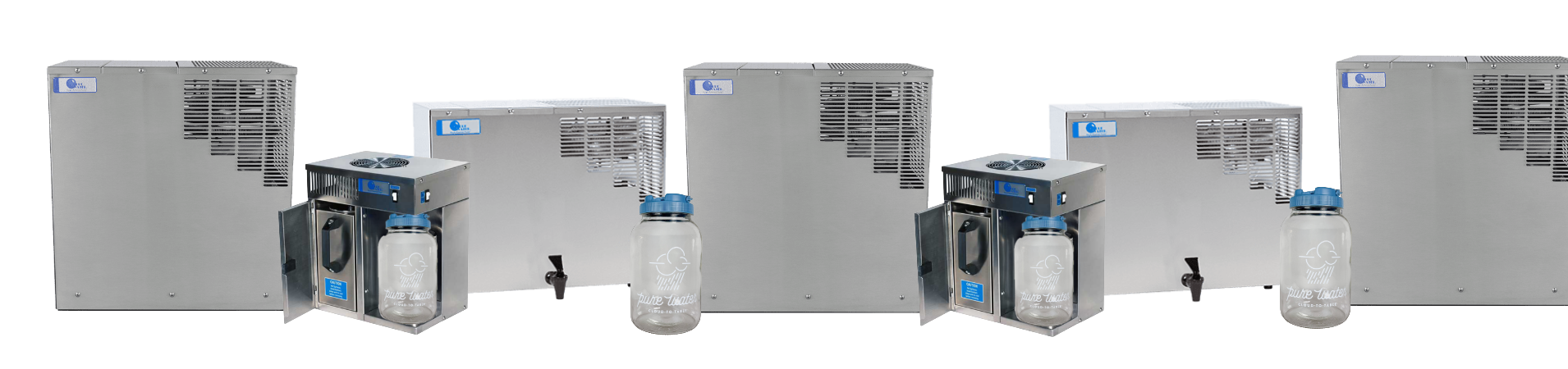
Distillation offers a distinct long-term approach by allowing households to produce purified water at home while dramatically reducing dependence on disposable bottles.
The distillation process works by:
- Heating water until it becomes steam
- Leaving 99.9% of dissolved solids and contaminants behind
- Cooling the steam back into liquid water
- Collecting pure water in a container
This process mirrors the natural hydrological cycle, the way water evaporates, condenses, and precipitates back to the surface.
Because distilled water is produced at home, many families naturally shift toward reusable containers:
- Glass bottles
- Stainless steel bottles
- Refillable pitchers
- Reusable travel containers
That change alone can significantly reduce plastic waste over time.
One Distiller, Thousands of Bottles Avoided
A home distiller can replace an enormous number of bottled water purchases over its lifetime.
For example:
A person drinking just two bottles of water per day uses over 700 plastic bottles annually.
For a family, that number can quickly reach several thousand.
When water is produced at home and stored in refillable containers, those bottles never need to be purchased, transported, discarded, or recycled in the first place.
That makes distillation not only a purity-focused decision, but also a waste-reduction habit.
Why Refillable Water Habits Tend to Last
One reason reusable-bottle habits fail in many households is inconsistent access to water.
If people do not enjoy the taste of their tap water, they often return to bottled options.
Distilled water changes because households control the source directly.
Many users create a routine:
- Distill overnight
- Fill bottles in the morning
- Store water in glass containers
- Keep reusable bottles ready throughout the day
Once this practice becomes routine, bottled water purchases often drop naturally.
The shift becomes less about restriction and more about convenience built differently.
Plastic Reduction Is Also Water Conservation
Plastic waste and water sustainability are closely connected. Plastic production requires water. Bottle manufacturing uses water. Transportation systems depend on fuel and industrial processing, both of which also indirectly affect water systems. Reducing bottle demand, therefore, contributes to broader resource efficiency.
World Water Day increasingly encourages practical household decisions—not just global awareness. That means small daily choices matter.
Distillation and Long-Term Household Simplicity
Unlike temporary bottled water stockpiles, distillation creates a repeatable system.
Households can produce water consistently without needing:
- Weekly bottle purchases
- Large package storage
- Plastic disposal management
- Emergency runs for bottled supply
This becomes especially valuable during:
- Seasonal water advisories
- Taste changes in municipal supply
- Infrastructure disruptions
- Travel refill preparation
Instead of reacting to water concerns, households build a habit of maintaining a more consistent water supply.
Why World Water Day Is a Good Time to Rethink Water at Home
World Water Day is not only about global water challenges.
It is also about asking practical questions:
- How do we use water daily?
- How much waste do our habits create?
- What systems are sustainable long-term?
For many families, bottled water became a solution years ago and simply stayed part of the routine without being reconsidered.
But habits evolve.
Today, many households want both:
- reliable water, they feel confident using
- less packaging waste entering the home
Distillation aligns naturally with both goals.
Small Household Changes Add Up
A single reusable bottle filled daily, instead of purchasing bottled water, may seem small. Over the course of one year, it becomes substantial. Over several years, it has resulted in the avoidance of thousands of plastic containers. That is one reason refill culture continues growing globally. Reusable systems often begin with one practical upgrade: A better water source.
A Simple World Water Day Challenge
This World Water Day, one simple challenge is to count how many disposable water bottles enter your household in one week.
Then imagine replacing them with:
- One refill station
- One reusable bottle per person
- One consistent purified water source
That perspective often changes how people think about water at home.
Water Quality and Waste Reduction Can Work Together
Many people think water purity and sustainability are separate conversations. In reality, they often support each other.
When households create purified water at home, they often reduce:
- plastic packaging
- shipping waste
- recurring bottle purchases
- unnecessary storage
That makes water decisions more efficient in multiple ways.
Looking Forward
World Water Day reminds us that water is both global and personal. Large infrastructure discussions matter, but so do kitchen-counter habits. The bottle you refill each morning is part of that story. The way water is prepared, stored, and used every day shapes long-term impact more than many people realize.
For households looking to reduce plastic waste while maintaining control over daily water use, distillation offers a practical, repeatable path forward—one that supports cleaner routines, fewer disposable bottles, and a more intentional relationship with water itself.




Leave a Reply