

What Is Hard Water, and What Causes It?
If you’ve ever noticed chalky residue on your faucets, cloudy spots on your glassware, or a stubborn film left behind after washing, you’ve likely encountered hard water. It’s one of the most common water quality issues across the United States, and one that often goes unnoticed until the signs become difficult to ignore.
But what exactly is hard water? Where does it come from? And how does it affect your everyday routine?
In this guide, we’ll break down what hard water is, what causes it, and how understanding your water can help you make more informed decisions about the quality of your home’s water.
What Is Hard Water?
Hard water is water that contains elevated levels of dissolved minerals, primarily calcium and magnesium. These minerals are naturally picked up as water moves through soil and rock formations underground.
Water hardness is typically measured in grains per gallon (GPG) or milligrams per liter (mg/L), and it’s classified along a spectrum:
- Soft water: 0–60 mg/L
- Moderately hard water: 61–120 mg/L
- Hard water: 121–180 mg/L
- Very hard water: 180+ mg/L
Hard water isn’t unusual; in fact, it’s extremely common. According to the U.S. Geological Survey, the majority of households in the U.S. have water that is moderately hard to very hard.
What Causes Hard Water?
The presence of hard water starts long before it reaches your tap. It’s the result of a natural geological process that occurs as water cycles through the environment.
1. Contact with Mineral-Rich Rock
As rainwater falls and seeps into the ground, it travels through layers of soil and rock. If those layers contain limestone, chalk, or gypsum, materials rich in calcium and magnesium, the water dissolves small amounts of those minerals.
Over time, this process leads to higher mineral concentrations in groundwater supplies, which are commonly used for drinking water.
2. Groundwater vs. Surface Water
Water sources play a significant role in determining hardness levels:
- Groundwater (wells, aquifers): More likely to be hard due to prolonged contact with mineral deposits
- Surface water (lakes, rivers): Typically softer because it has less contact time with rock
This is why many rural or well-based water systems experience higher hardness levels compared to municipal systems that rely on surface water.
3. Regional Geology
Where you live directly affects your water hardness. Areas with high concentrations of limestone or sedimentary rock tend to have harder water.
In many parts of the United States’ Midwest and Southwest, hard water is especially common due to underlying geological formations.
4. Seasonal Changes
Water hardness can fluctuate slightly throughout the year. During dry seasons, mineral concentrations may increase due to lower water volumes. In contrast, heavy rainfall can temporarily dilute mineral content.
Signs You Have Hard Water
Hard water doesn’t always come with a warning label, but it does leave clues. Some of the most common signs include:
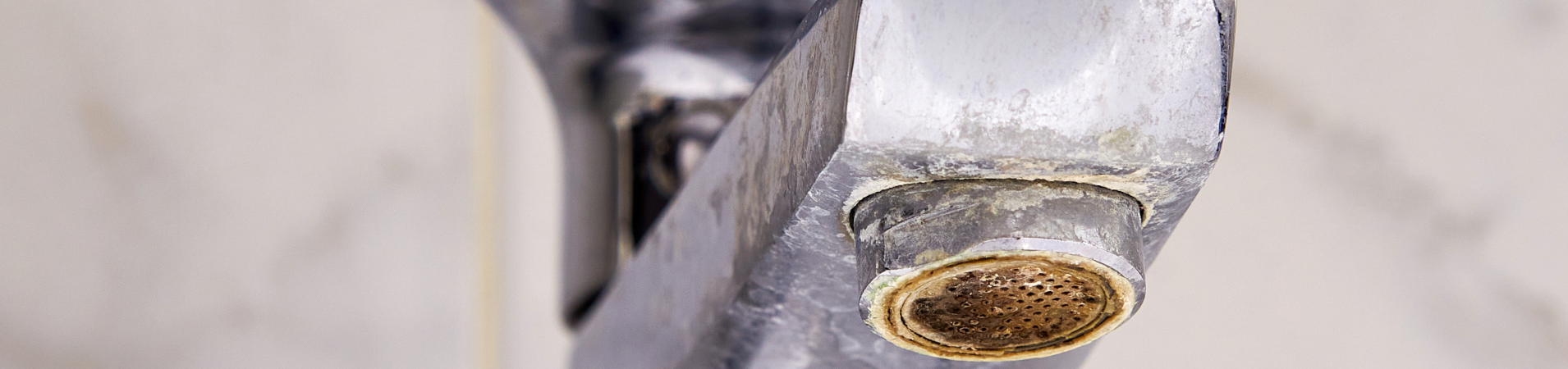
- White, chalky buildup (limescale) on faucets and appliances
- Spots or film on dishes and glassware
- Soap that doesn’t lather easily
- Residue left behind on sinks, tubs, and shower doors
- Reduced efficiency of water-using appliances over time
These effects are primarily due to how minerals interact with soap and surfaces—not because the water is visibly “dirty.”
How Hard Water Affects Your Home
While hard water is not classified as a contaminant in the regulatory sense, it can have noticeable impacts on your home and daily routines.
1. Scale Buildup
Calcium and magnesium can accumulate as limescale inside pipes, water heaters, and appliances. Over time, this buildup may reduce efficiency and increase maintenance needs.
2. Soap Interaction
Hard water minerals react with soap to form what’s often called “soap scum.” This can make cleaning more difficult and leave surfaces looking dull or streaked.
3. Appliance Performance
Appliances like dishwashers, coffee makers, and humidifiers may require more frequent cleaning or maintenance when used with hard water.
4. Everyday Cleaning Challenges
From laundry to dishwashing, hard water can make routine tasks feel less effective. You may find yourself using more soap or cleaning products to achieve the same results.
Hard Water vs. Other Water Quality Concerns
It’s important to understand that hardness is just one aspect of water quality.
Hard water refers specifically to mineral content, but water can also contain other dissolved substances, depending on its source. These can include naturally occurring elements, environmental contaminants, or treatment byproducts.
This is why evaluating your water often involves looking beyond hardness alone.
Common Solutions for Hard Water
There are several ways people address hard water in their homes, depending on their priorities.
Water Softeners
Traditional water softeners use ion exchange to replace calcium and magnesium with sodium or potassium. This can reduce scale buildup and improve soap performance.
However, softeners do not remove dissolved solids; they simply exchange one type of mineral for another.
Filtration Systems
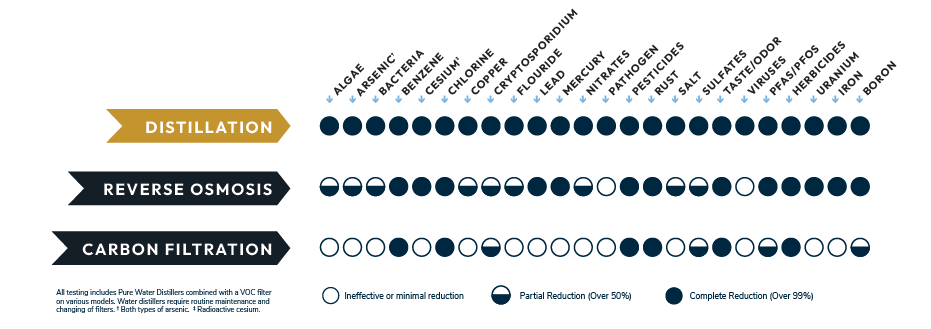
Some filtration systems are designed to reduce certain impurities, but many are not specifically built to address dissolved minerals at the molecular level.
Distillation: A Different Approach
Water distillation takes a fundamentally different approach.
Rather than altering or exchanging minerals, distillation separates water from dissolved solids via a phase change. Water is heated until it becomes vapor, leaving minerals and other impurities behind. The vapor is then condensed back into liquid form as purified water.
This process aligns with the natural hydrologic cycle, where water evaporates, leaves impurities behind, and returns as precipitation.
Why Understanding Hard Water Matters
Knowing whether you have hard water can help you make better decisions about:
- Appliance maintenance
- Cleaning routines
- Water treatment options
- Long-term home care
It’s not just about convenience; it’s about understanding what’s in your water and how it interacts with your environment.
A Closer Look at Water Purity
While hard water focuses on calcium and magnesium, many homeowners are increasingly interested in overall water purity.
This includes reducing a wide range of dissolved solids—not just the ones responsible for hardness.
That’s where systems like Pure Water Distillers offer a unique solution.
Using steam distillation, these systems separate water from dissolved minerals and other impurities, producing water that is consistent and controlled at the point of use.
For those looking to go beyond surface-level water treatment, distillation provides an approach rooted in physical separation rather than chemical exchange.
Choosing the Right Approach for Your Water
Every home is different, and so is every water source. The right solution depends on what matters most to you:
- If your priority is reducing scale and improving soap performance, a softener may be considered
- If you’re focused on broader purification and consistency, distillation may align more closely with your goals
Understanding the cause of hard water is the first step in choosing the right path forward.
Final Thoughts
Hard water is a natural result of water interacting with the earth. It’s not unusual, and it’s not necessarily something you can see at first glance, but its effects can become more noticeable over time.
From mineral buildup to everyday cleaning challenges, hard water shapes how water behaves in your home.
By understanding what causes it and how different solutions address it, you can take a more informed approach to your water quality.
Whether you’re managing scale, improving efficiency, or exploring higher levels of water purity, the key is knowing what’s in your water and choosing a system that fits your needs.

Leave a Reply