Nitrates in Drinking Water: Why Levels Rise in Spring
For many communities, spring is a season of renewal. Longer days, warmer weather, and new growth across farmland and landscapes. But it’s also the time of year when nitrate levels in drinking water often rise. In agricultural regions, especially, water testing results frequently show seasonal spikes in nitrate concentrations between late winter and early summer.
Understanding why this happens can help homeowners, well users, and communities make more informed decisions about water quality, testing, and treatment. While nitrates occur naturally in the environment, elevated levels in drinking water are largely driven by human activity, and spring conditions create the perfect storm for those nitrates to move from land into water.
What Are Nitrates?
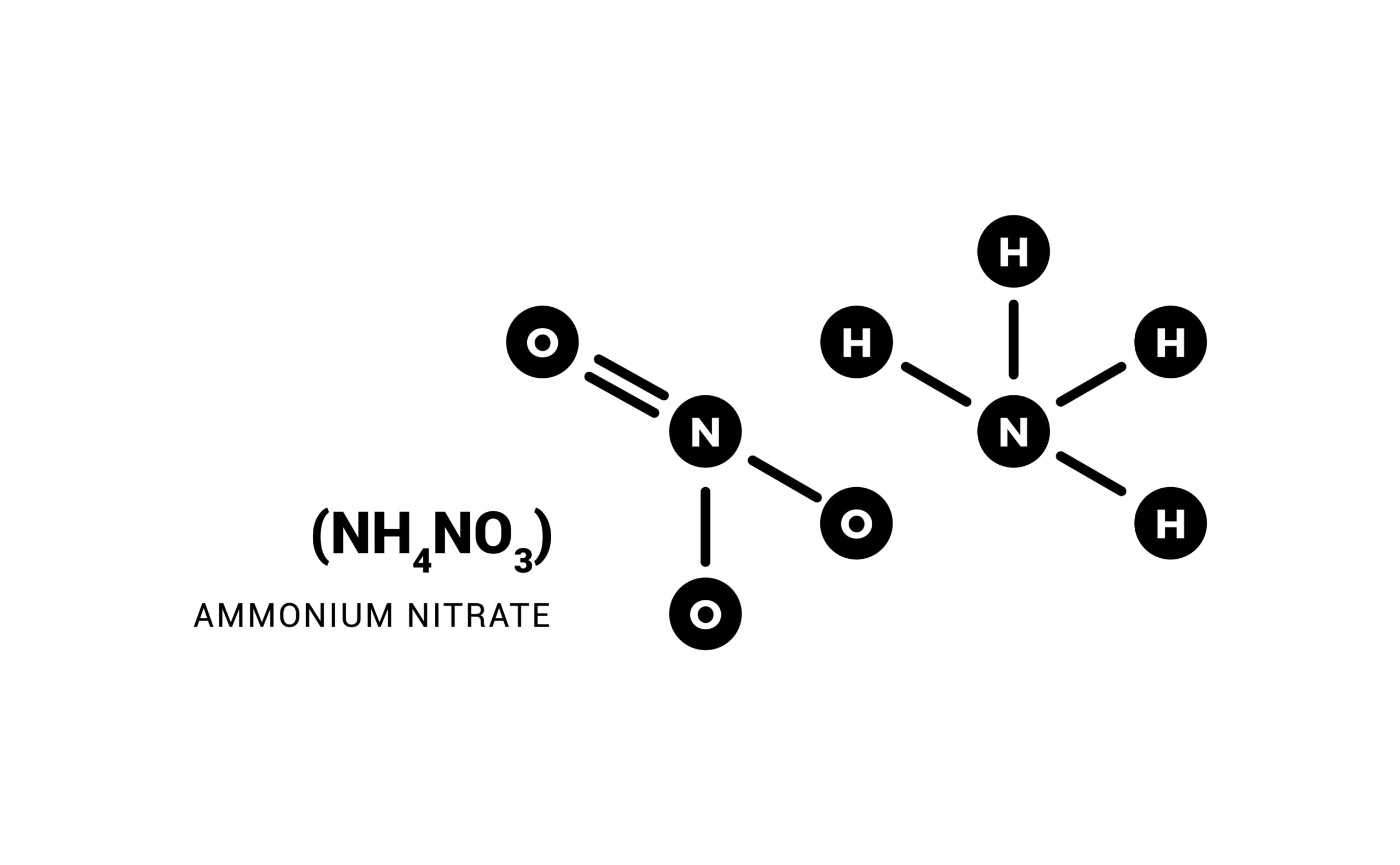
Nitrates are chemical compounds made up of nitrogen and oxygen. Nitrogen is an essential nutrient for plant growth and is naturally present in soil, air, and water. Because of this, nitrates can occur at low, naturally occurring levels in both surface water and groundwater.
However, modern agriculture and land use have dramatically increased the amount of nitrogen entering the environment. Nitrates are commonly found in:
Commercial fertilizers
Animal manure and livestock waste
Septic system effluent
Decomposing organic matter
When these sources release nitrogen into soil and water faster than plants can absorb it, excess nitrate can migrate into drinking water supplies.
Why Spring Is the Peak Season for Nitrates
Nitrate contamination doesn’t happen evenly throughout the year. Instead, it follows predictable seasonal patterns, with spring among the highest-risk periods. Several environmental and agricultural factors converge during this time.
Increased Rainfall and Heavy Storms
Spring typically brings more frequent and intense rainfall. When rain falls faster than soil can absorb it, excess water flows across the surface as runoff.
This runoff can carry dissolved nitrates from fertilizers, manure, and soil directly into:
Streams and rivers
Lakes and reservoirs
Drainage ditches
Groundwater recharge zones
Unlike some contaminants that bind tightly to soil, nitrates are highly water-soluble, making them especially mobile during rain events.
Snowmelt Adds a Sudden Flush of Water
In colder regions, spring runoff is amplified by melting snow. Snowmelt releases large volumes of water over a short period, often when soil is still frozen or partially compacted. Frozen ground limits infiltration, causing meltwater to move quickly across the land instead of soaking in. This rapid flow can transport nitrates that accumulated in soil over the winter months straight into nearby waterways or shallow aquifers.
Spring Fertilizer Application
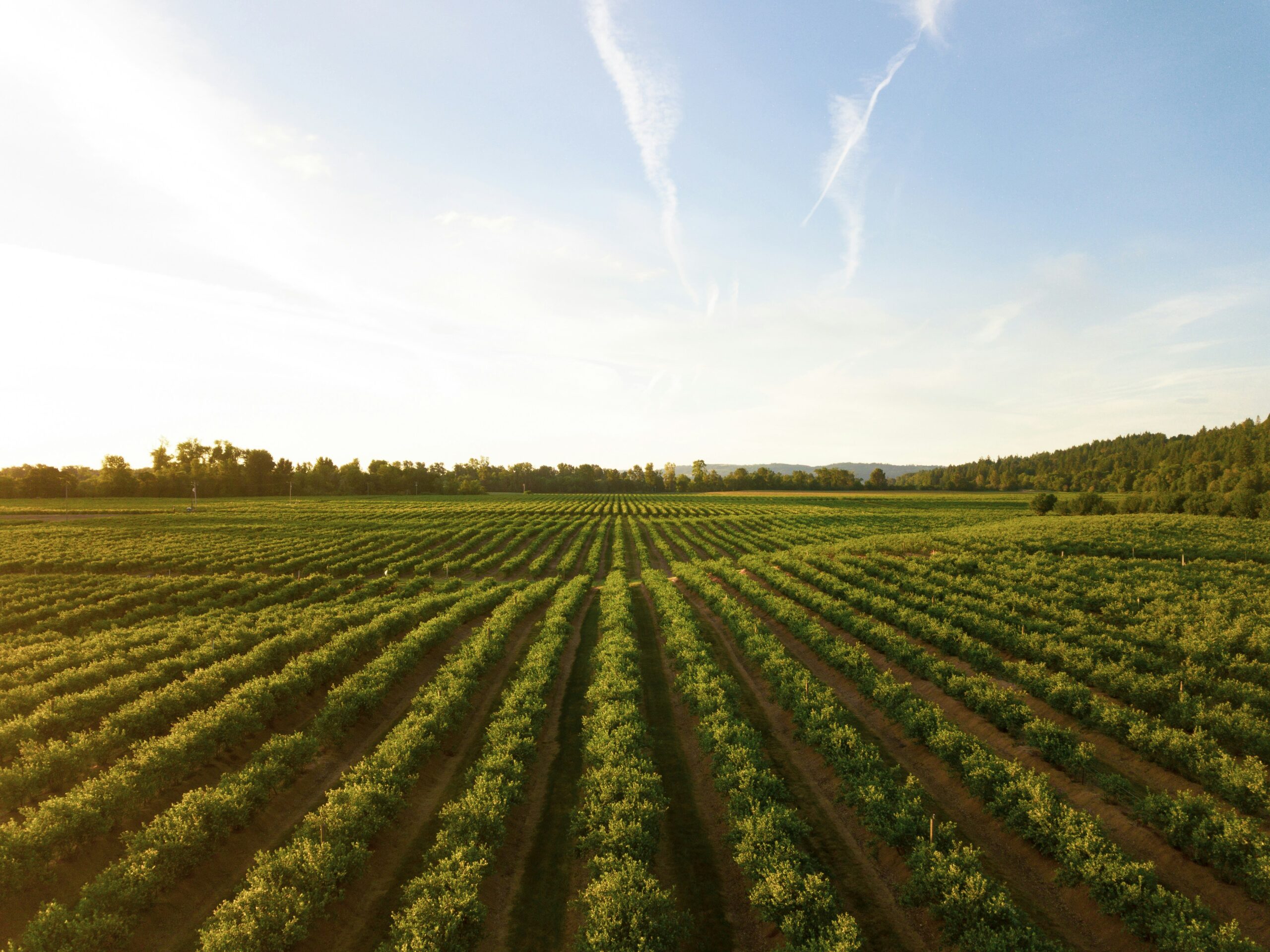
Spring is the primary planting season for many crops, which means it’s also the time when nitrogen-based fertilizers are widely applied. Before crops develop strong root systems, they cannot absorb all the nutrients added to the soil. If rain falls soon after fertilizer application, excess nitrogen may be washed away before plants can use it. This timing, fertilizer application followed by rainfall, is one of the most significant contributors to springtime nitrate increases in water sources.
Bare or Disturbed Soil After Winter
After winter, many agricultural fields have little or no plant cover. Crop residue may be minimal, and soil is often disturbed by tilling and planting.
Without established vegetation to hold soil and nutrients in place:
Water moves faster across fields
Soil erosion increases
Nutrients like nitrate are more easily transported
Cover crops and conservation practices can reduce this effect, but not all farmland uses these methods consistently.
Subsurface Tile Drainage Systems
In many agricultural regions, especially in the Midwest, farmers use subsurface tile drainage to prevent waterlogged fields.
While tile drainage improves crop productivity, it can also:
Accelerate the movement of water off fields
Bypass natural soil filtration
Deliver nitrate-rich water directly into streams and rivers
Spring rains can overwhelm these systems, increasing the volume of nitrate entering surface waters.
Winter Nutrient Accumulation
During the winter months, plant nitrogen uptake is minimal. Any remaining nitrates from fall fertilizer applications, manure spreading, or organic matter breakdown can accumulate in soil. When spring moisture arrives, these stored nitrates become highly mobile, leading to a seasonal release into water systems.
Where Nitrates Are Most Common
Nitrate contamination is most frequently observed in:
Agricultural regions with intensive fertilizer use
Rural areas relying on private wells
Communities near livestock operations
Areas with sandy or well-drained soils
Private wells are particularly vulnerable because they are often shallow and not regulated or routinely monitored like municipal water systems.
Nitrates in Groundwater vs Surface Water
Both groundwater and surface water can be affected by spring nitrate runoff, but their responses differ.
Surface water (rivers, lakes, reservoirs) often shows rapid spikes after storms.
Groundwater contamination can develop more slowly but persist longer once nitrate enters an aquifer.
Because groundwater moves slowly, elevated nitrate levels may remain long after spring rains have passed.
Why Seasonal Spikes Matter
Even when annual average nitrate levels appear stable, short-term seasonal increases can still affect water quality.
Water testing conducted only once per year may miss:
Spring runoff events
Temporary nitrate spikes
Seasonal fluctuations tied to weather and land use
This is why many experts recommend testing well water more frequently, especially in spring and early summer.
How Nitrates Are Regulated
In the United States, the Environmental Protection Agency (EPA) has established a Maximum Contaminant Level (MCL) for nitrate in public drinking water systems. While public utilities are required to monitor and manage nitrate levels, private wells are not federally regulated. Responsibility for testing and treatment falls on the homeowner. It’s also important to note that regulatory limits are based on specific risk assessments and do not necessarily reflect the absence of nitrate; they only represent thresholds set for public systems.
What Homeowners Can Do
Awareness is the first step. Homeowners—especially those using private wells—may consider:
Testing drinking water regularly, particularly in the spring
Paying attention to seasonal changes in taste or clarity
Reviewing local agricultural activity and land use patterns
Learning how different water treatment methods address nitrates
Because nitrates are dissolved in water, not all filtration methods remove them effectively. Understanding how your water is treated—and what contaminants are present—is essential for informed decision-making.
The Bigger Picture: Water Quality Is Seasonal
Nitrates are just one example of how water quality changes throughout the year. Seasonal shifts in rainfall, temperature, farming practices, and water treatment all influence what ends up in your glass. Spring runoff doesn’t equal unsafe water, but it does highlight the importance of ongoing monitoring, transparency, and education regarding drinking water.
Why Spring Often Drives Higher Demand for Water Purification
As awareness around seasonal water quality changes grows, spring often brings increased interest in water testing and purification solutions. When local water reports show rising nitrate levels, or when homeowners test their own wells, many people begin researching ways to better understand and manage what’s in their drinking water.
During the spring runoff season, this heightened awareness can lead to:
Increased demand for water testing kits
Greater interest in educational resources about water contaminants
Higher demand for home water purification systems, like distillation
In agricultural regions, especially, seasonal spikes in nitrates and other runoff-related contaminants often coincide with temporary sell-outs of water purification equipment, including water distillers. This is not uncommon during spring and early summer, when consumers are actively seeking long-term, household-level solutions for water purity.
Because water distillation addresses a wide range of dissolved solids, including nitrates, many households view it as a consistent, year-round option for producing purified water at home. Seasonal demand surges can impact availability, making early planning important for those considering new equipment.
Final Thoughts
Nitrate levels rise in spring because nature and agriculture intersect in powerful ways. Rainfall, snowmelt, fertilizer use, and soil conditions all contribute to the movement of nitrates from land into water.
By understanding these seasonal patterns, consumers can better interpret water quality reports, make informed choices about testing and treatment, and stay proactive about the water they rely on every day.
Water may look the same year-round—but what’s dissolved inside it can change with the seasons.






Leave a Reply