Rethinking Water Use For Water Conservation Month 💧🌎
April is recognized as Water Conservation Month, a time dedicated to increasing awareness around how water is used, managed, and valued. While large-scale conversations often focus on reservoirs, drought conditions, and infrastructure, the reality is that conservation also starts at home.
Everyday habits, such as how long we run the faucet, how efficiently we use appliances, and how we treat water throughout the home, play a meaningful role in overall water use. This month is an opportunity to take a closer look at those habits and explore simple, practical ways to use water more intentionally without disrupting daily routines.
Why Water Conservation Matters
Water is part of a continuous natural cycle, but usable water at the tap requires significant resources. It must be sourced, treated, transported, and maintained through extensive infrastructure before it reaches homes. According to the United States Environmental Protection Agency, the average American household uses hundreds of gallons of water per day for activities such as bathing, cleaning, cooking, and laundry.
Even small inefficiencies, like a slow drip from a faucet or running water longer than necessary, can add up over time. Water conservation, therefore, is not just about using less water; it’s about using water more efficiently and reducing unnecessary waste wherever possible.
Where Water Is Used Most in the Home
Understanding where water is used helps identify where conservation efforts can have the greatest impact. In most households, water use is concentrated in a few key areas:
Bathrooms (showers, toilets, sinks)
Laundry
Kitchen use (dishwashing, cooking, cleaning)
Appliances (dishwashers, ice makers)
Bathrooms alone typically account for the largest portion of indoor water use. Because these activities occur daily, even small changes, like reducing shower time or using water-efficient fixtures, can significantly affect total water consumption.
Small Changes That Support Water Conservation
Water conservation doesn’t require major lifestyle changes. Many effective strategies are simple adjustments that can easily fit into daily routines.
1. Fix Leaks Early
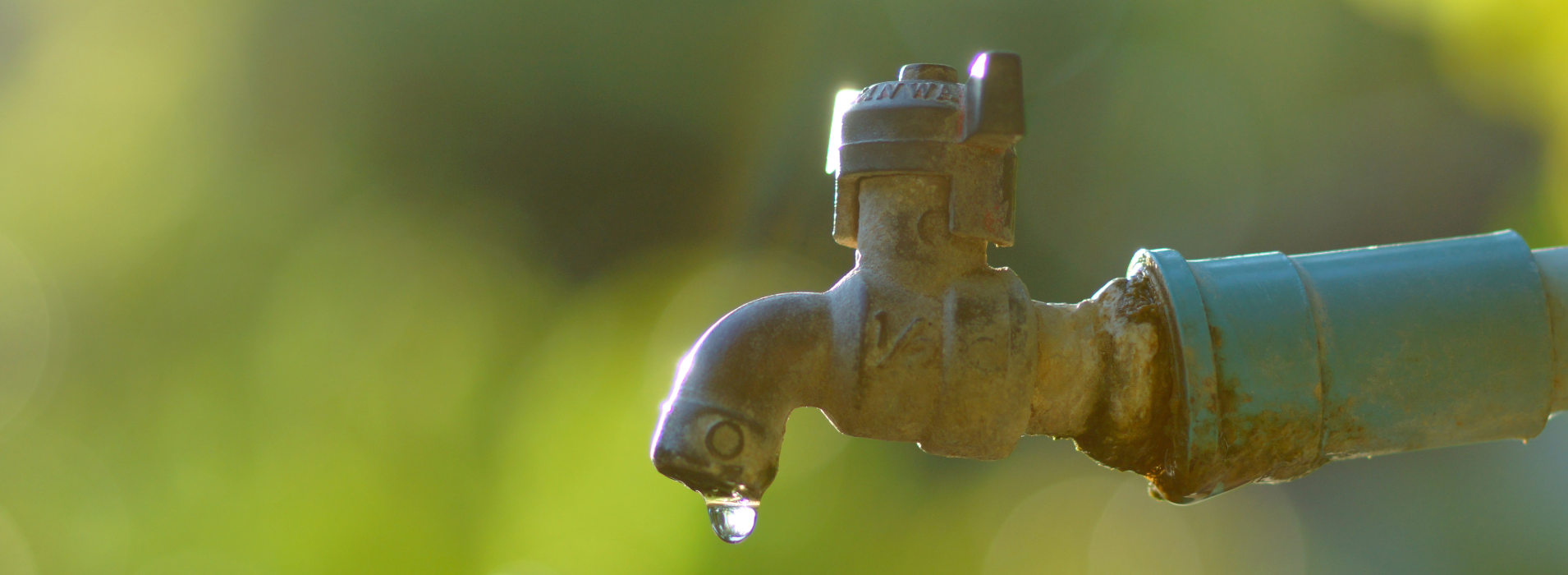
A dripping faucet or running toilet can waste gallons of water each day. Regularly checking fixtures and quickly addressing leaks are among the easiest ways to prevent unnecessary water loss.
2. Turn Off Water When Not in Use
Turning off the faucet while brushing teeth, washing dishes, or scrubbing surfaces can reduce water use without impacting effectiveness.
3. Use Appliances Efficiently
Running full loads in dishwashers and washing machines helps maximize water efficiency per cycle.
4. Install Water-Efficient Fixtures
Low-flow showerheads and faucet aerators are designed to reduce water use while maintaining consistent pressure and performance.
5. Be Intentional With Outdoor Water Use
Seasonal watering habits, especially in spring and summer, can influence total water use. Watering during cooler parts of the day and avoiding overwatering can help reduce waste.
The Often-Overlooked Role of Water Quality
Water conservation is often discussed in terms of quantity, but quality also plays a role in how efficiently water is used.
Water that leaves behind residue or buildup can affect:
Appliance performance
Cleaning efficiency
Maintenance frequency
Fixture longevity
For example, mineral buildup in kettles, coffee makers, and steam appliances can reduce efficiency over time. This may lead to more frequent cleaning, additional water use during maintenance, or earlier equipment replacement. Similarly, residue left on surfaces like glass, sinks, and fixtures can require more water and cleaning effort to remove. While these effects vary depending on water source and location, they highlight how water behavior can influence overall household water use.
Distillation and Consistency in Water Use
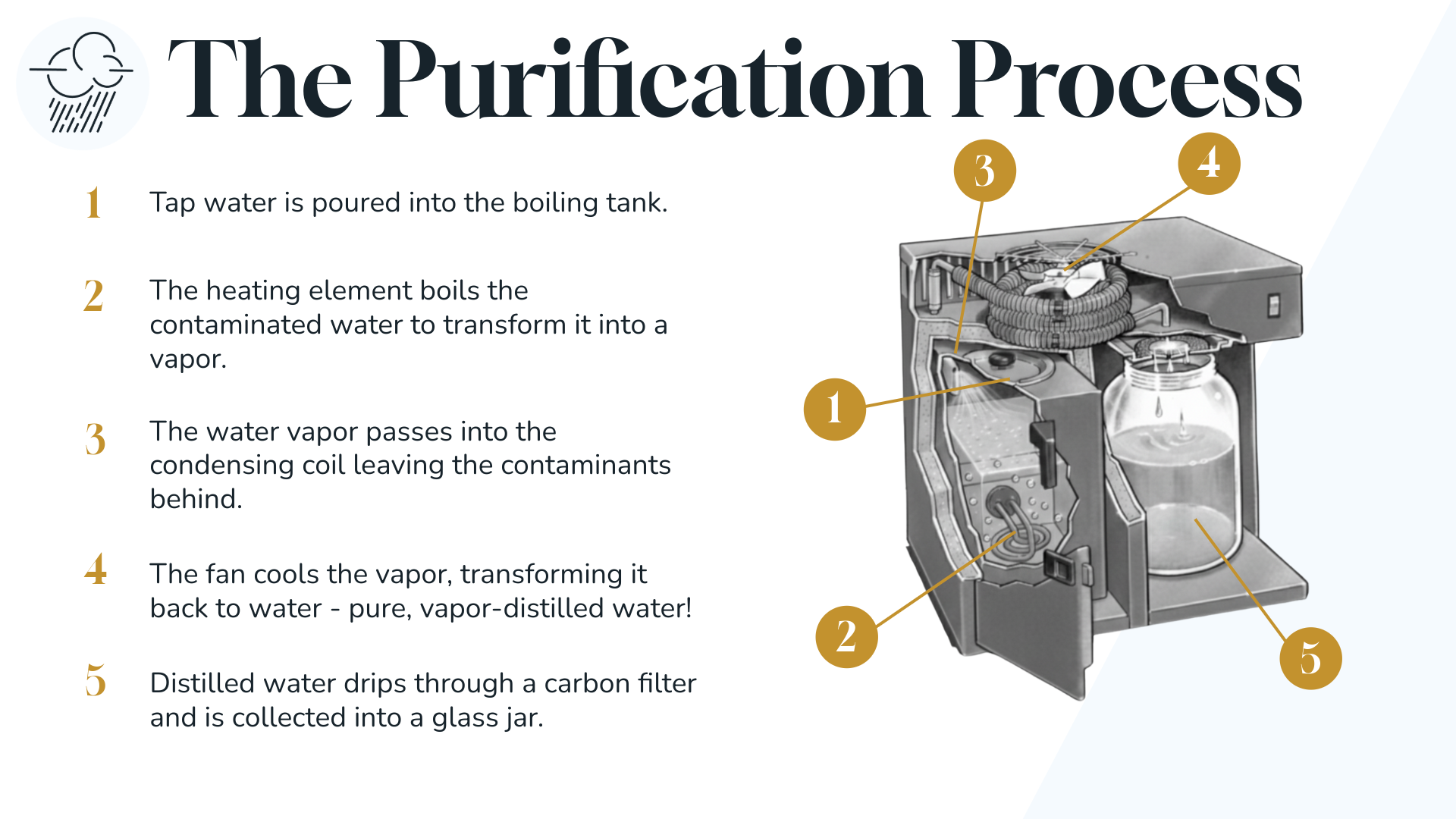
Pure Water Distillers systems use a phase-change process that separates water from many dissolved solids through evaporation and condensation.
Because minerals and many dissolved materials do not carry over with steam, distilled water is less likely to leave behind residue in appliances such as:
Kettles
Coffee makers
Humidifiers
Steam irons
In practical terms, this can contribute to:
Reduced buildup in equipment
Fewer cleaning cycles
More consistent appliance performance
Less water being used for descaling or maintenance
For households focused on efficiency, using water that leaves less residue in certain applications can support long-term consistency in water use.
Reducing Bottled Water Use at Home
Another aspect of water conservation is reducing reliance on single-use bottled water. Producing bottled water requires water at multiple stages, not just for the water inside the bottle, but also for manufacturing, packaging, and transportation.
By producing water at home, households can reduce:
Packaging waste
Resource use associated with production and transport
Frequency of purchasing and disposal
This shift supports both water conservation and broader resource efficiency.
Showers: A Key Opportunity for Conservation
Showers are one of the most water-intensive activities in the home, making them a key area for conservation efforts. Pure Water Distillers shower filters are often used at the point of use, where water is heated and dispersed. While shower filters do not directly reduce water flow, they can help manage certain water characteristics at the showerhead.
This may support:
More consistent spray performance
Reduced buildup in nozzles
Longer lifespan of shower fixtures
When paired with efficient showerheads, this can contribute to a more balanced and effective approach to water use.
Long-Term Thinking: Conservation Beyond One Month
Water Conservation Month is a reminder, but effective conservation is built on long-term habits.
Some examples of sustainable practices include:
Monitoring water use patterns over time
Choosing appliances designed for efficiency
Maintaining fixtures regularly
Being mindful of both water quantity and performance
Over time, these practices can help reduce unnecessary water use while maintaining convenience and consistency.
Rethinking Water Use in Everyday Life
Water is used in nearly every part of the home, from cooking and cleaning to bathing and appliance use. Because of this, even small adjustments can have a meaningful impact. Water conservation is not about eliminating use; it’s about optimizing it.
This includes:
Using water only when needed
Reducing waste where possible
Understanding how water behaves in your home
Making informed decisions about water use and treatment
The Bottom Line
April’s Water Conservation Month is an opportunity to take a closer look at how water is used every day. From fixing leaks and upgrading fixtures to being more intentional with daily habits, small changes can add up over time. Additionally, understanding how water quality affects performance—whether through buildup, residue, or appliance efficiency—can provide another layer of insight into conservation.
By combining mindful use with practical solutions such as efficient fixtures, shower filters, and systems that ensure consistent water performance, households can take a more comprehensive approach to water conservation. Because in the end, conserving water isn’t just about using less, it’s about using water wisely, every single day 💧
At My Pure Water, we believe the quality of your water should never be left to chance. Our Pure Water Distillers use a time-tested distillation process to separate water from contaminants, producing consistently pure water for your home. Built from high-quality stainless steel and designed for long-term performance, our systems give you control over what goes into every glass. If you’re looking for a reliable way to elevate your water, a Pure Water Distiller is a simple, effective solution. Shop Now!




Leave a Reply