


Why Does My Water Taste Different Depending on Where I Go?
Have you ever traveled somewhere and noticed the water tasted completely different? Maybe it seemed crisp and refreshing in one city, metallic in another, or carried a faint smell of chlorine somewhere else. Even within the same state, or sometimes within the same neighborhood, water can have surprisingly different flavors.
It’s a common experience, and it often leaves people wondering: Isn’t water just water?
In reality, the water coming out of your tap is rarely just pure H₂O. The taste of water is influenced by a combination of minerals, treatment methods, source water, infrastructure, temperature, and even how your own senses perceive flavor. Water can change dramatically depending on where it comes from and what it encounters before it reaches your glass.
Let’s take a closer look at why water tastes different depending on where you go, and how distillation creates a uniquely consistent water profile.
Water Is Rarely Just H₂O
Chemically, pure water is made up of hydrogen and oxygen. But the water we drink in everyday life is almost never only H₂O.
Tap water often contains naturally occurring minerals such as calcium, magnesium, sodium, and bicarbonates. It may also contain disinfectants used during municipal treatment, trace compounds from source water, and substances picked up as it moves through pipes and infrastructure. These components can affect water’s flavor, smell, and mouthfeel. U.S. EPA Drinking Water Basics
This is one reason water can taste different from place to place: the “ingredients” in water vary.

Minerals Change the Flavor of Water
One of the biggest reasons water tastes different is its mineral content.
Water naturally dissolves minerals as it moves through soil, rock, and underground aquifers. Depending on the geology of a region, water may contain higher or lower levels of:
- Calcium
- Magnesium
- Sodium
- Potassium
- Sulfates
- Bicarbonates
These minerals can create distinct taste profiles.
For example:
- Calcium and magnesium may contribute to a “hard” taste
- Sodium can create a slightly salty taste
- Sulfates may contribute bitterness
- Iron can sometimes create a metallic flavor
This is why bottled mineral waters often taste different from one another, too; each has its own dissolved mineral profile. The World Health Organization notes that dissolved minerals can influence the aesthetic characteristics of drinking water, including taste. WHO Drinking Water Guidelines
Some people enjoy mineral-rich water. Others prefer a cleaner, more neutral taste. Taste preference is subjective, but minerals are a major reason water varies from place to place.
Source Water Makes a Big Difference
Where water comes from matters just as much as what’s in it.
Municipal drinking water can originate from:
- Rivers
- Lakes
- Reservoirs
- Groundwater aquifers
- Wells
- Surface water systems
Each source has its own natural characteristics.
For example:
Groundwater
Water pulled from underground aquifers often contains more dissolved minerals because it has spent years moving through rock and soil.
Surface Water
Water from lakes, rivers, and reservoirs may have a different mineral profile and may also be more influenced by seasonal conditions, runoff, algae, or organic matter. The EPA explains that water quality characteristics can vary significantly depending on the source and the treatment required to make it suitable for drinking. EPA Source Water Information This means two cities, even neighboring ones, can have very different tasting water simply because their water starts in different places.

Treatment Methods Can Affect Taste
Before water reaches your home, it goes through treatment to meet safety standards. But treatment itself can influence taste.
Municipal systems often use disinfectants to control microbial contamination. Common disinfectants include:
- Chlorine
- Chloramine
- Ozone (in some systems)
Of these, chlorine is one of the most noticeable from a taste perspective.
If you’ve ever taken a sip of water and thought it smelled like a swimming pool, you were likely detecting chlorine or chloramine residuals used to keep water disinfected as it travels through distribution systems. The EPA notes that disinfectants play an important role in public water treatment but can affect aesthetic characteristics such as taste and odor. EPA Drinking Water Treatment
Seasonal treatment adjustments can also affect taste. During periods of runoff, algae blooms, drought, or changing source conditions, utilities may make changes that alter water’s flavor profile. That’s one reason water may even taste different in the same place at different times of year.
Pipes and Plumbing Can Influence Flavor Too
Even if water leaves the treatment plant tasting one way, it may change before it reaches your glass.
Water travels through miles of infrastructure, including:
- Municipal pipes
- Service lines
- Household plumbing
- Faucets and fixtures
- Water heaters
As water moves through these systems, taste can sometimes be affected by contact with plumbing materials, age of infrastructure, corrosion, or stagnation when water sits in pipes for long periods.
For example:
- Metallic tastes can sometimes be associated with plumbing issues
- Stale-tasting water may result from water sitting in household pipes
- Hot water can sometimes carry a different taste than cold water due to plumbing and heating systems
The CDC and EPA both note that household plumbing can influence water characteristics after treatment. CDC Drinking Water and Plumbing
This is why your water might taste different at home than it does at work, or even from one faucet to another.
Temperature Changes How You Perceive Taste
Here’s something many people don’t realize: water temperature changes flavor perception too. Cold water tends to taste crisper because lower temperatures reduce the volatility of certain compounds and can mute some flavors or odors.
Warmer water, on the other hand, may make:
- Chlorine smells more noticeable
- Mineral flavors more pronounced
- Stale notes easier to detect
This is one reason restaurant water, chilled bottled water, and ice-based drinks often seem to taste “better” than lukewarm tap water—even if the water chemistry hasn’t changed dramatically. Temperature affects your sensory perception just as much as chemistry.
Your Taste Buds Play a Role
Taste isn’t just about water, it’s also about you.
Factors that influence taste perception include:
- Temperature
- Smell
- Recent foods consumed
- Individual sensitivity to minerals
- Sensory adaptation
- Personal preference
Some people are extremely sensitive to chlorine or sulfur compounds, while others barely notice them. That’s why one person may say water tastes “fine” while another immediately notices an off-flavor. Taste is both chemical and sensory.
Bottled Water Tastes Different for the Same Reasons
People often assume bottled water should all taste the same, but it doesn’t.
That’s because bottled waters can come from:
- Spring sources
- Municipal sources
- Mineral-rich sources
- Purified water systems
- Distillation or reverse osmosis systems
Mineral content is one of the biggest reasons bottled waters have distinct flavor profiles. Some brands intentionally preserve minerals for taste. Others remove dissolved solids for a cleaner, more neutral profile. Again, what’s in the water affects what you taste.
Taste Doesn’t Tell the Whole Story
One of the most important things to understand is this:
Taste alone is not a reliable indicator of water purity.
Water that tastes pleasant may still contain dissolved solids, minerals, or trace substances that don’t have a strong flavor. Likewise, water that tastes unusual may simply have aesthetic characteristics related to minerals or treatment—not necessarily anything dangerous. The EPA distinguishes between aesthetic water characteristics (taste, odor, appearance) and regulated contaminant standards. Taste is only one part of the picture. EPA Secondary Drinking Water Standards This is why relying on taste alone doesn’t tell you everything about what’s in your water.
How Distillation Creates a Different Water Experience
Distillation approaches water differently than simply masking taste or altering flavor with additives.
A water distiller works by:
- Heating water into steam
- Leaving many dissolved solids and contaminants behind in the boiling chamber
- Condensing the steam back into liquid water
- Passing the finished water through a post-filter (in many systems) to address volatile compounds
This process mimics the natural hydrologic cycle—evaporation, condensation, and collection. Because distillation removes dissolved minerals and many impurities rather than leaving them in the finished water, the resulting water has a much more consistent composition compared to source-dependent tap water.
That consistency can mean:
- No location-based mineral flavor changes
- No hard-water taste
- No source-specific taste swings
- A neutral, predictable water profile from batch to batch
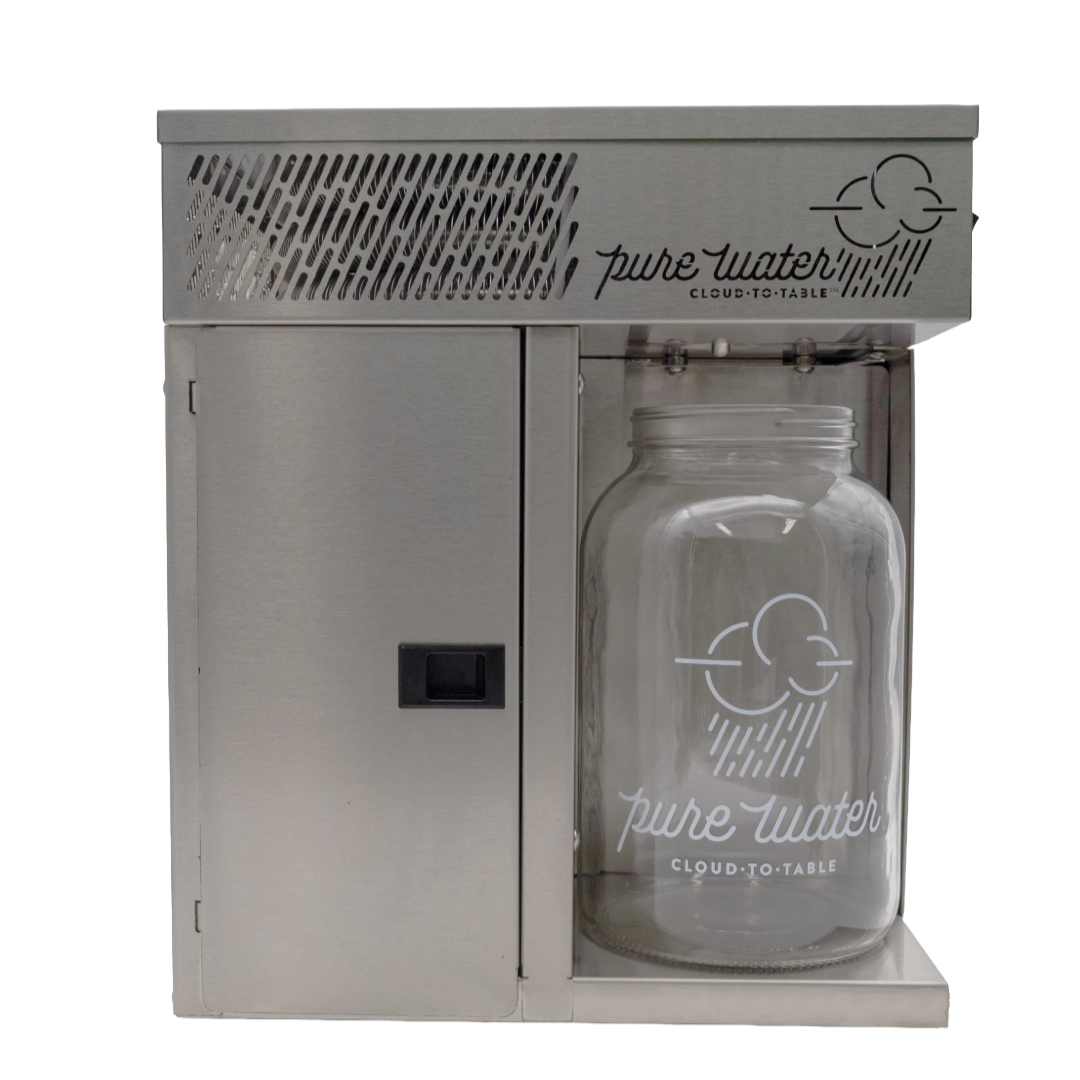
Unlike municipal water, which changes depending on geology, treatment, infrastructure, and source conditions, distilled water starts with a purification process designed to remove many of the components that influence flavor in the first place. This creates a distinctly different water experience—not because flavors are being added, but because many taste-altering substances are removed during the distillation process.
A More Consistent Glass of Water
If your water tastes different everywhere you go, there’s a reason.
Water flavor is influenced by:
- Mineral content
- Source water
- Treatment methods
- Plumbing
- Temperature
- Seasonal changes
- Sensory perception
Water is rarely just H₂O, and what’s dissolved in it often shapes what you experience in every sip. For households looking for a more consistent water profile, distillation offers a purification process that removes many of the variables that make water taste different from place to place. At My Pure Water, our distillers use steam distillation, a process inspired by nature’s own purification cycle—to produce water with a consistently pure profile, batch after batch. Because when it comes to water, what you taste often depends on what came along for the ride.

Leave a Reply