


Why Water Quality Matters More Than Many Drivers Realize
When people think about vehicle maintenance, they usually focus on oil changes, tires, brakes, or fuel quality. But there’s another factor quietly involved in many areas of automotive care:
Water quality.
From batteries and cooling systems to detailing and storage, water plays a surprisingly important role in vehicle maintenance. And while regular tap water may seem harmless, the minerals and dissolved solids it contains can create buildup, residue, and inefficiencies over time.
That’s one reason distilled water has long been used in automotive applications.
This article explores how distilled water is used in car maintenance, why water purity matters for certain systems, and how to produce distilled water at home with systems from Pure Water Distillers to support everyday maintenance routines.
What Makes Distilled Water Different?
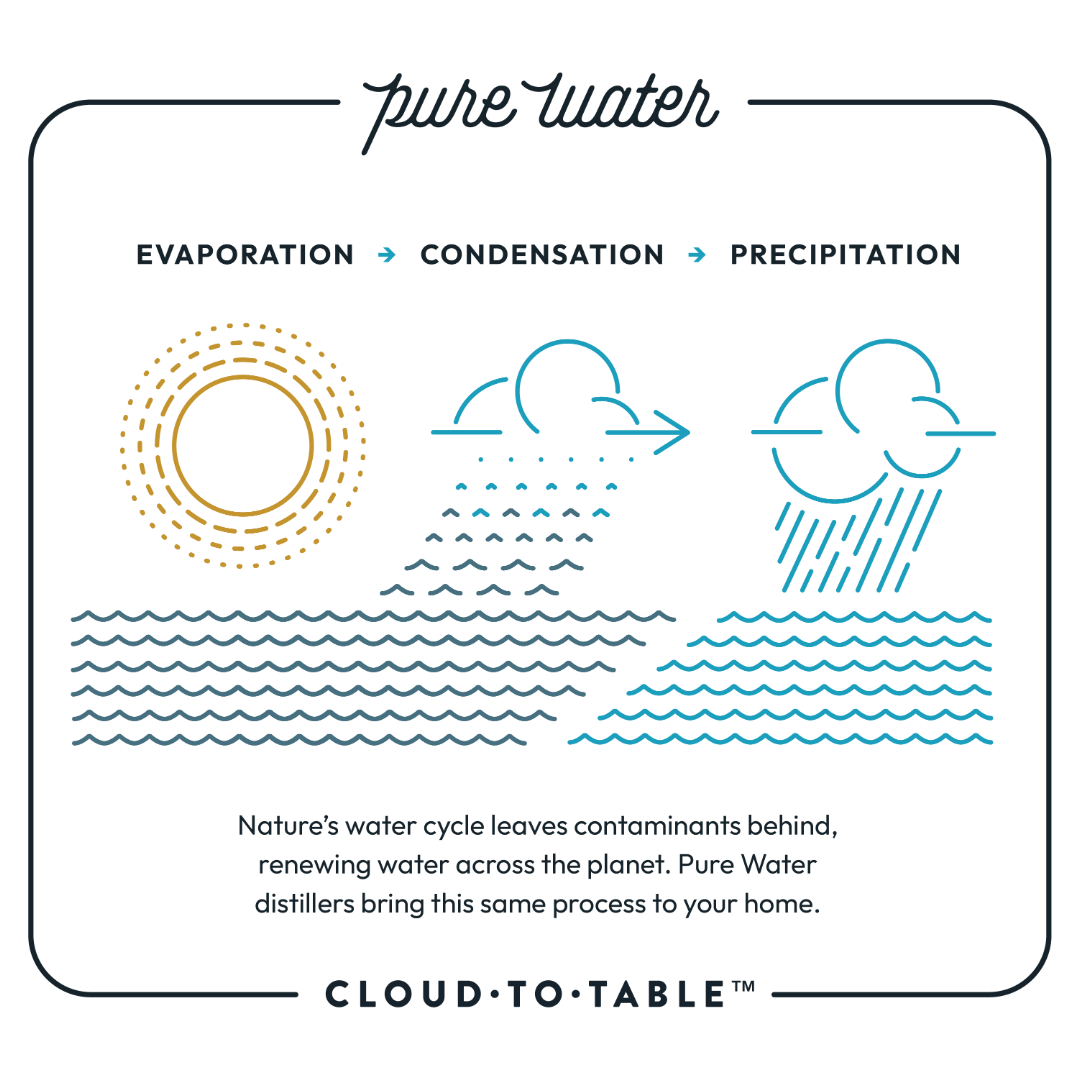
Distilled water is produced through a process called distillation.
During distillation:
- Water is heated into steam
- Many dissolved solids and contaminants are left behind
- The steam is condensed back into liquid water
Because minerals like calcium, magnesium, iron, and sodium do not evaporate with the steam, they remain in the boiling chamber instead of ending up in the finished water.
The result is water with very low levels of dissolved solids.
This matters because in automotive systems, minerals left behind from tap and well water can accumulate over time.
Why Minerals Matter in Vehicle Maintenance
Tap water often contains naturally occurring dissolved minerals. These minerals are harmless in many everyday uses, but they can become problematic in systems involving:
- Heat
- Evaporation
- Metal surfaces
- Pressure
- Small fluid channels
When water evaporates, minerals do not disappear. Instead, they remain behind as residue or scale.
You’ve likely seen this before as:
- White buildup on faucets
- Spots on dishes
- Scale inside kettles
- Residue in humidifiers
The same principle applies to automotive systems.
Distilled Water and Car Batteries
One of the most well-known automotive uses for distilled water is in certain types of lead-acid batteries.
Why Batteries Lose Water
Traditional lead-acid batteries contain an electrolyte solution made from sulfuric acid and water. During operation and charging, some water can naturally evaporate or break down into gases. In batteries designed for maintenance access, water levels may occasionally need to be replenished.
Why Distilled Water Is Recommended
Using mineral-heavy water in batteries can introduce dissolved solids that may interfere with battery performance over time.
Minerals and impurities can contribute to:
- Internal deposits
- Reduced efficiency
- Contamination inside the battery
Distilled water is commonly recommended because it contains very low mineral content. According to the Battery Council International and automotive maintenance guidance from battery manufacturers, purified water helps minimize the introduction of unwanted minerals into battery systems.
Cooling Systems and Radiators
Another major automotive application for distilled water is in engine cooling systems.
How Cooling Systems Work
A vehicle’s cooling system circulates coolant through the engine and radiator to help regulate operating temperatures. Coolant is typically mixed with water because water transfers heat efficiently.
Why Water Quality Matters
If mineral-heavy water is used in a cooling system, those minerals can contribute to:
- Scale buildup
- Deposits inside passages
- Reduced heat transfer efficiency
- Corrosion concerns over time
Cooling systems contain narrow channels and metal components that work best when buildup is minimized.
For this reason, many coolant manufacturers and mechanics recommend using distilled or deionized water when mixing concentrated coolant. The Prestone coolant guidelines specifically note the importance of using purified water to help reduce mineral-related deposits.
Why Heat Makes Mineral Problems Worse
Heat accelerates mineral deposition. When water heats up and evaporates, dissolved solids become more concentrated and can settle onto surfaces. This is especially important in vehicles because engines operate at high temperatures. Over time, mineral deposits can act like insulation inside cooling systems, making heat transfer less efficient. That’s one reason purified water has become standard practice in many automotive service environments.
Distilled Water for Car Detailing
Distilled water is also widely used in vehicle cleaning and detailing.
Spot-Free Rinsing
One of the biggest frustrations after washing a vehicle is water spotting. These spots are often caused by minerals left behind when water evaporates.
Using distilled water for final rinsing can help reduce:
- Water spots
- Mineral streaking
- Residue on paint and glass
Because distilled water contains less than 0.01% dissolved solids, less material is left behind after drying.
Window and Glass Cleaning
Distilled water is commonly used in DIY detailing solutions because it can help reduce streaking caused by minerals in tap water.
This is especially useful on:
- Windshields
- Mirrors
- Interior glass
- Chrome finishes
Ceramic Coatings and Sensitive Finishes
Detailing enthusiasts often prefer purified water because modern paint finishes and coatings can show spotting more easily.
Even small mineral deposits become noticeable on:
- Dark paint colors
- Gloss finishes
- Ceramic-coated surfaces
Using distilled water helps reduce those visible residues.
Distilled Water in Steam Cleaners and Humidifiers for Vehicles
Some vehicle owners use steam cleaners or portable humidification systems for detailing or storage.
Mineral-heavy water can leave deposits inside:
- Steam cleaner heating elements
- Spray nozzles
- Internal tubing
Distilled water helps reduce scaling and buildup inside these devices.
Seasonal Storage and Maintenance
Classic cars, motorcycles, RVs, and collector vehicles often involve long-term storage considerations. Enthusiasts who maintain stored vehicles frequently prioritize cleanliness and the minimization of residue in systems that sit unused for long periods. Distilled water is often chosen in these cases because it reduces the amount of mineral content introduced into maintenance-related processes.
Why Not Just Use Bottled Water?
Many people assume bottled water is the same as distilled water, but that is not always true.
Bottled water may contain:
- Added minerals
- Naturally occurring dissolved solids
- Electrolytes for taste
Labels such as:
- Spring water
- Purified water
- Drinking water
…can all mean different things.
Distilled water is specifically produced through distillation, making it distinct from many bottled options.
Producing Distilled Water at Home
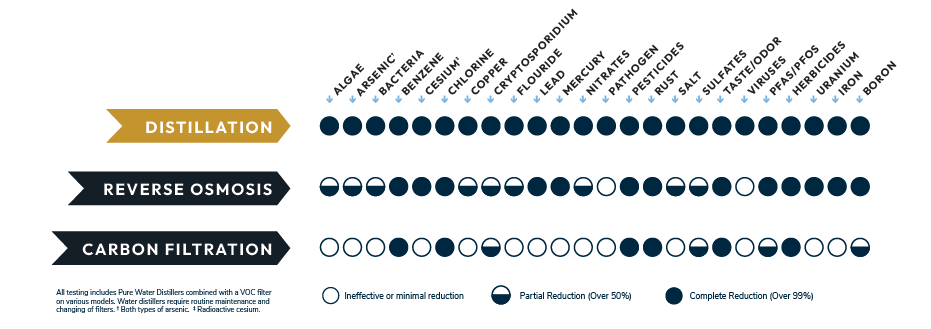
For vehicle owners who regularly use distilled water, repeatedly purchasing gallon jugs can be inconvenient. That’s one reason many households choose home distillation systems from Pure Water Distillers.
Home distillation allows users to produce purified water on demand for multiple uses, including:
- Automotive maintenance
- Humidifiers
- Steam irons
- Appliances
- Drinking water
- Cleaning applications
How Pure Water Distillers Systems Work
Pure Water Distillers systems use a process modeled after the natural hydrologic cycle.
The systems typically:
- Boil water into steam
- Separate water from many dissolved solids
- Condense the steam back into purified liquid water
- Use carbon post-filtration on many models to help address volatile compounds
Many systems are built using:
- Stainless steel boiling chambers
- Stainless steel storage options
- Durable long-term designs
For households that already use distilled water in multiple areas, producing it at home can provide consistency and convenience.
Common Automotive Uses for Distilled Water
Here are some of the most common ways distilled water is used around vehicles:
| Application | Why Distilled Water Is Used |
|---|---|
| Lead-acid batteries | Helps reduce mineral contamination |
| Coolant mixing | Helps minimize scale buildup |
| Spot-free rinsing | Reduces mineral spotting |
| Glass cleaning | Helps reduce streaking |
| Steam cleaners | Helps reduce internal deposits |
| Detailing solutions | Cleaner finish with fewer residues |
Distilled Water and Modern Vehicles
Today’s vehicles are more advanced than ever, with increasingly precise systems and tighter tolerances. Small cooling passages, electronic components, and specialized finishes mean maintenance practices matter.
Water quality may seem minor compared to major mechanical systems, but over time, mineral buildup and residue can affect:
- Appearance
- Efficiency
- Maintenance frequency
That’s why purified water continues to play an important role in professional automotive care.
Final Thoughts
Distilled water may not be the first thing people think about in car maintenance—but it quietly supports many areas of vehicle care. From batteries and cooling systems to detailing and cleaning, purified water helps reduce the introduction of minerals and dissolved solids that can leave buildup behind over time. For drivers, enthusiasts, and households seeking a reliable source of purified water, systems from Pure Water Distillers offer a long-standing approach built on distillation and consistency.
When it comes to maintenance, the smallest details, like the quality of the water you use, can make a noticeable difference over time.

Leave a Reply