

What Does “Below the Legal Limit” Really Mean for Drinking Water?
When people review a water quality report or hear news about contaminants in drinking water, they often encounter a reassuring phrase:
“The contaminant was detected below the legal limit.”
At first glance, that sounds like good news. If a substance is below the legal limit, the water must be completely safe, right?
Not necessarily.
The phrase “below the legal limit” is frequently misunderstood. While it generally means a water system is complying with regulatory standards, it does not mean a contaminant is absent from the water. In fact, it often means the contaminant was detected, but it was simply measured at a level below the maximum amount permitted by regulations.
Understanding this distinction can help consumers make more informed decisions about their drinking water and better understand what water quality reports are actually saying.
What Are Legal Limits for Drinking Water?
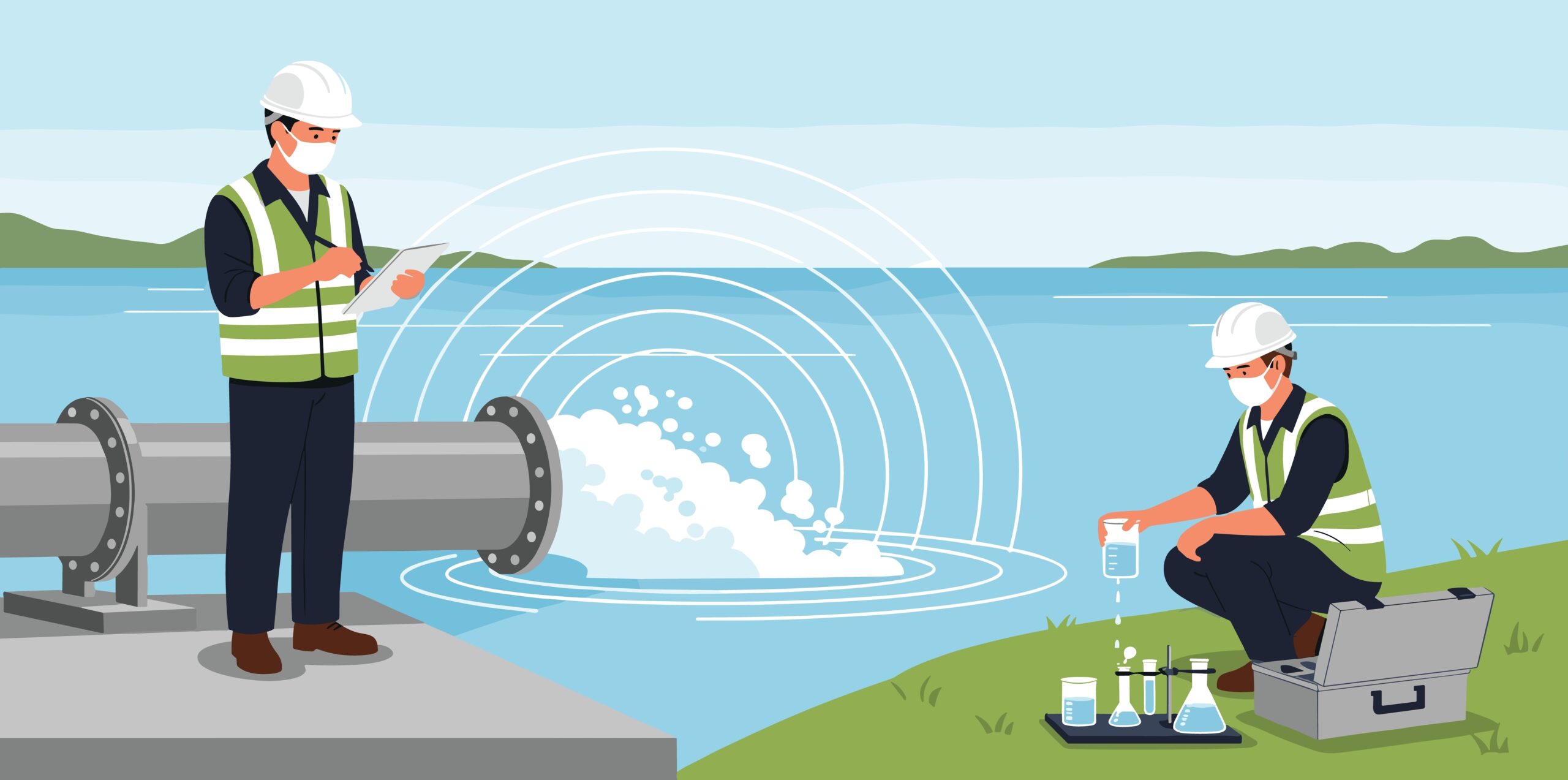
In the United States, public drinking water systems are regulated by the U.S. Environmental Protection Agency (EPA) under the Safe Drinking Water Act.
The EPA establishes standards for many contaminants that may be present in drinking water, including:
- Lead
- Arsenic
- Nitrates
- Certain pesticides
- Volatile organic compounds (VOCs)
- Disinfection byproducts
- PFAS (for some compounds)
- Microorganisms
These standards are commonly known as Maximum Contaminant Levels (MCLs).
An MCL is the maximum legal concentration of a specific contaminant in public drinking water systems. Water utilities routinely test their water to ensure contaminant levels remain below these established limits. If testing shows concentrations below the MCL, the utility is considered to be in compliance with federal regulations.
However, compliance and absence are not the same thing.
Below the Legal Limit Does Not Mean Zero
One of the most common misconceptions about drinking water regulations is that contaminants are either present or absent.
In reality, water quality exists on a spectrum.
A water sample might contain:
- 0 parts per billion (ppb) of a contaminant
- 1 ppb
- 5 ppb
- 8 ppb
- 9 ppb
If the legal limit is 10 ppb, all of those values would be considered compliant. The contaminant is still present; it is simply below the regulatory threshold. Imagine a speed limit of 65 miles per hour. Driving 64 mph is below the legal limit, but it doesn’t mean the car isn’t moving. Similarly, a contaminant measured below a regulatory limit is still present in the water, even though the water system is operating within legal requirements. This distinction is important because many consumers mistakenly interpret “below the legal limit” as “not detected.”
Those are very different statements.
Why Aren’t Legal Limits Set at Zero?
This is one of the most common questions consumers ask. If contaminants can be present in drinking water, why not simply require zero? The answer is more complex than many people realize. When establishing drinking water standards, regulatory agencies consider multiple factors, including:
Health-Based Goals
Scientists first evaluate available research and determine a level at which no known adverse health effects are expected. This is often called a Maximum Contaminant Level Goal (MCLG).
For some contaminants, the ideal goal may be zero.
Detection Capabilities
Regulators must also consider whether laboratories can reliably detect contaminants at extremely low concentrations. Modern analytical methods can identify contaminants at incredibly small levels, sometimes parts per trillion, but testing capabilities vary.
Treatment Technology
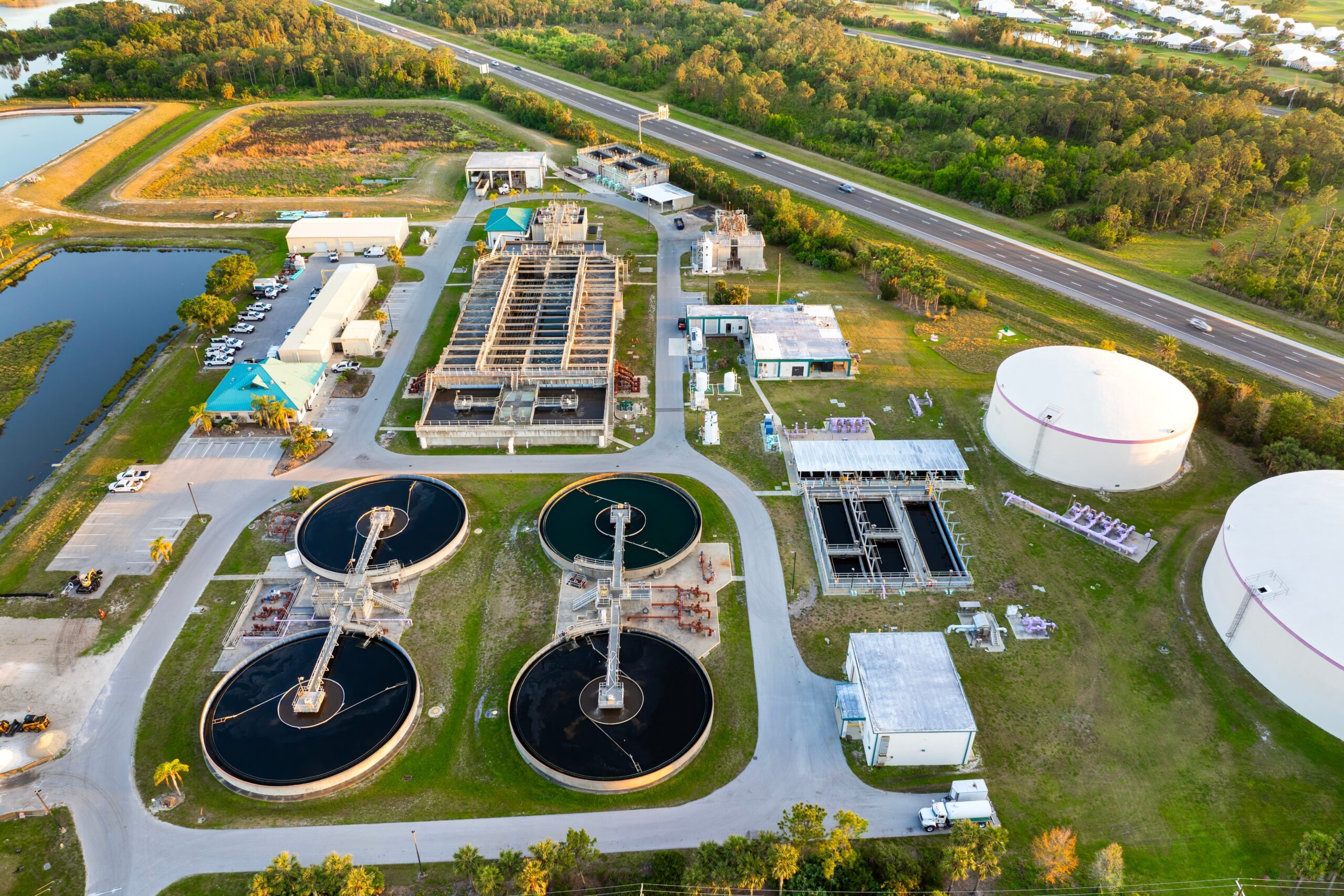
Another factor is whether current treatment technologies can consistently achieve a particular level across thousands of water systems.
Cost and Feasibility
Federal regulations also consider the practicality of implementation for public water systems serving communities of different sizes. As a result, legal limits often reflect a balance between health objectives, technological capabilities, monitoring methods, and practical implementation. This does not mean regulations are ineffective. It simply means that regulatory compliance is not the same as absolute purity.
Understanding Detection Limits
Another term consumers may encounter is “non-detect.” A non-detect result means a laboratory did not detect a contaminant above its reporting threshold. However, even a non-detect result does not necessarily prove that absolutely zero molecules of a substance are present.
It means the concentration was below the laboratory’s ability to measure it reliably.
For example:
- Detection limit: 1 ppb
- Actual concentration: 0.5 ppb
The lab may report “non-detect” because the level falls below its reporting capability. This illustrates why water testing can sometimes seem confusing.
Terms such as:
- Detected
- Non-detect
- Below reporting limit
- Below legal limit
All mean different things. Understanding those differences helps consumers interpret water quality reports more accurately.
Examples of Common Contaminants
Lead
Lead is one of the most discussed drinking water contaminants.
Lead typically enters water through corrosion of plumbing materials rather than from the water source itself. The EPA’s action level for lead is measured in parts per billion. A water sample can test below the regulatory threshold while still containing measurable lead. This is why many homeowners choose additional treatment methods, especially in older homes with aging plumbing.
Arsenic
Arsenic is a naturally occurring element found in groundwater in many regions of the United States. Some areas have higher naturally occurring arsenic concentrations due to local geology. Water may test below the federal arsenic standard while still containing detectable amounts.
Nitrates
Nitrates commonly enter groundwater from agricultural runoff, fertilizers, and other environmental sources. Levels often fluctuate seasonally and geographically. A water supply may remain below the regulatory limit while still showing measurable nitrate concentrations.
PFAS
PFAS are a large group of man-made chemicals sometimes referred to as “forever chemicals” because of their persistence in the environment. Public awareness of PFAS has increased significantly in recent years as testing capabilities have improved and additional regulations have been developed. As analytical methods become more sensitive, scientists can detect PFAS at increasingly lower concentrations than was possible decades ago.
Why Consumers Sometimes Want More Than Compliance
Public water systems provide an essential service and must meet regulatory standards. However, some consumers choose to pursue additional water treatment beyond regulatory compliance. There are several reasons for this:
Personal Preference
Some individuals prefer water with fewer dissolved solids, minerals, or contaminants.
Water Taste
Taste and odor issues can occur even when water fully complies with regulations.
Aging Infrastructure
Water leaving a treatment facility may differ from water arriving at a household due to plumbing materials and distribution systems.
Greater Awareness
Consumers today have access to more information about water quality than ever before. As awareness increases, many people want to understand not only whether water meets legal standards, but also what substances may still be present.
The Difference Between Compliance and Purity
One of the most important takeaways is that drinking water compliance and water purity are not identical concepts.
Compliance answers the question:
“Does this water meet regulatory requirements?”
Purity asks a different question:
“How many dissolved contaminants remain in the water?”
Both are valid questions, but they address different goals.
A water supply can fully comply with all regulations while still containing measurable levels of naturally occurring minerals, trace contaminants, treatment byproducts, or other dissolved contaminants. This is why water treatment methods vary widely in their objectives. Some technologies focus on reducing specific contaminants. Others aim to reduce a broader range of dissolved substances.
Where Distillation Fits Into the Conversation
Distillation approaches water purification differently from many conventional treatment methods. Rather than relying solely on physical filtration, distillation operates through evaporation, condensation, and precipitation.
Water is heated into steam, leaving behind many dissolved solids and contaminants. The steam is then condensed and precipitated back into liquid water. This process mirrors Earth’s natural hydrologic cycle—the same process that produces rainwater through evaporation, condensation, and precipitation.
Because distillation separates water from many dissolved substances, it can reduce a broad spectrum of contaminants, minerals, and impurities that may remain in water even when those substances are below regulatory limits. For consumers interested in producing high-purity water at home, distillation offers an additional level of treatment beyond simply meeting drinking water standards.
The Bottom Line
The phrase “below the legal limit” is often interpreted to mean that a contaminant is absent, but that is not what it means. In most cases, it means a contaminant was measured at a concentration below the regulatory maximum.
Understanding this distinction can help consumers better interpret water quality reports and make informed decisions about their drinking water. Public water systems are designed to meet rigorous regulatory standards, and compliance is an important benchmark. At the same time, many contaminants can still be present at detectable levels while remaining below legal limits.
Ultimately, the question isn’t simply whether water meets regulations.
For many consumers, the more meaningful question is:
What is actually in my water, and how much of it remains there?
The more you understand about drinking water standards, detection limits, and treatment technologies, the better equipped you’ll be to answer that question for yourself.

Leave a Reply