

Old Pipes, New Problems: What Aging Infrastructure Means for Your Water
Turn on the tap, fill a glass, and it’s easy to assume the water reaching your home is exactly the same as the water that left your local treatment plant. But between the treatment facility and your faucet lies an often-overlooked part of the drinking water system: miles of underground pipes, service lines, valves, fittings, and household plumbing.
Across the United States, much of this infrastructure is decades old. In many communities, portions of the water distribution system were installed before modern plumbing materials and today’s drinking water regulations existed. While utilities continuously maintain and upgrade these systems, aging infrastructure remains an important part of the conversation about drinking water quality.
So what does old infrastructure actually mean for your water? Let’s explore how aging pipes can influence water quality, why replacing them takes time, and why many homeowners choose an additional purification step at home.
America’s Water Infrastructure Is Getting Older
Much of the nation’s drinking water infrastructure was built in the early to mid-20th century. Many water mains, service lines, and household plumbing systems have been in service for 50, 75, or even more than 100 years.
Water utilities work continually to inspect, repair, and replace aging infrastructure, but replacing an entire distribution network is an enormous undertaking. The American water system consists of millions of miles of pipe buried beneath roads, sidewalks, and neighborhoods.
Even with ongoing investments, many communities continue to operate portions of older infrastructure while replacement projects are planned and completed. Aging infrastructure doesn’t automatically mean water is unsafe, but it does mean the condition of pipes and plumbing remains an important factor in overall water quality.
Water Doesn’t Stop Changing After Treatment
One of the biggest misconceptions about drinking water is that treatment is the final step.
In reality, once water leaves a treatment facility, it begins another journey.
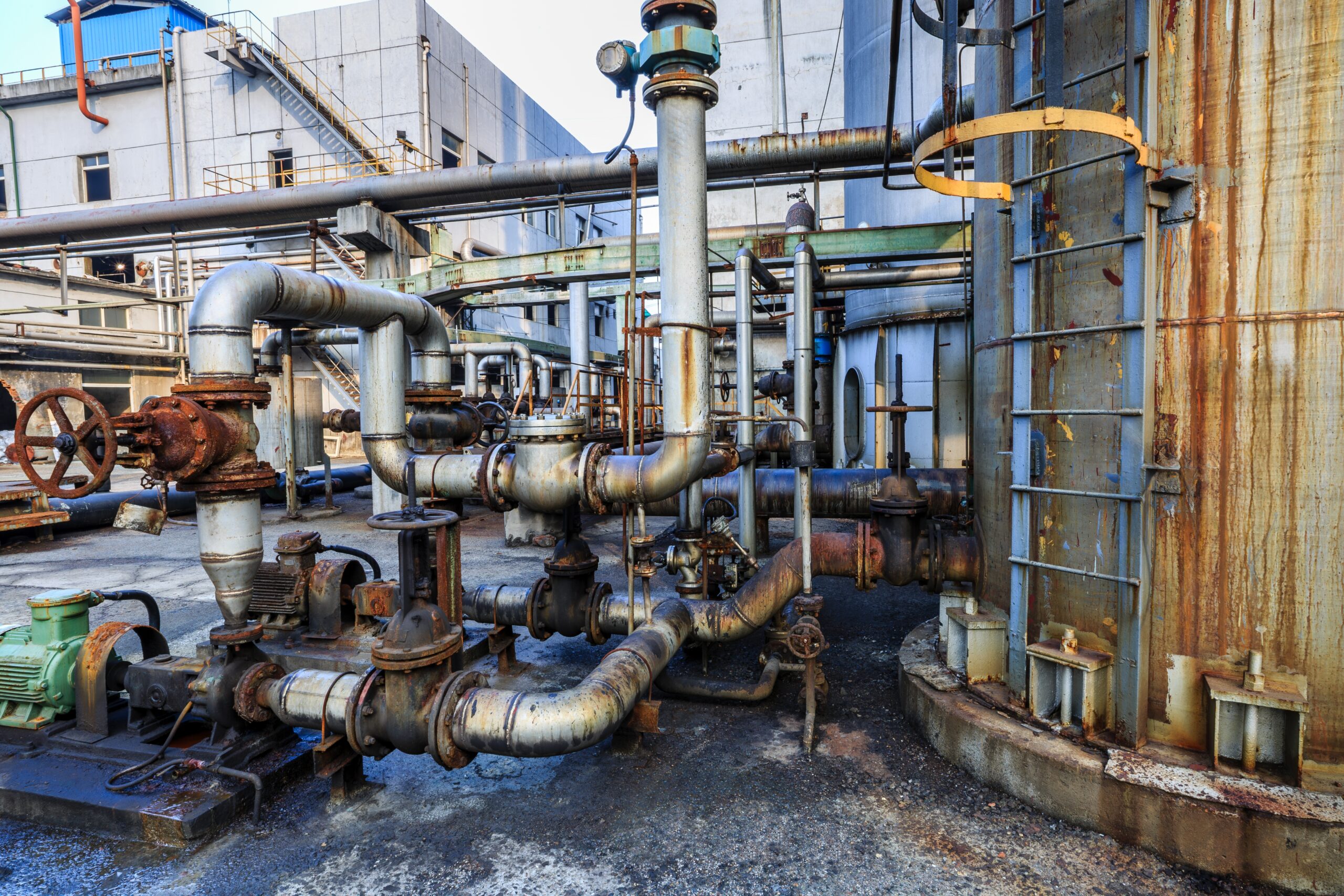
Before reaching your faucet, water may travel through:
- Transmission mains
- Distribution pipes
- Neighborhood service lines
- Water meters
- Household plumbing
- Faucets and fixtures
Each section of this journey presents opportunities for water to interact with the materials it encounters.
This is why water quality isn’t determined solely by the treatment plant—it’s also influenced by the condition of the infrastructure delivering it.
What Happens as Pipes Age?
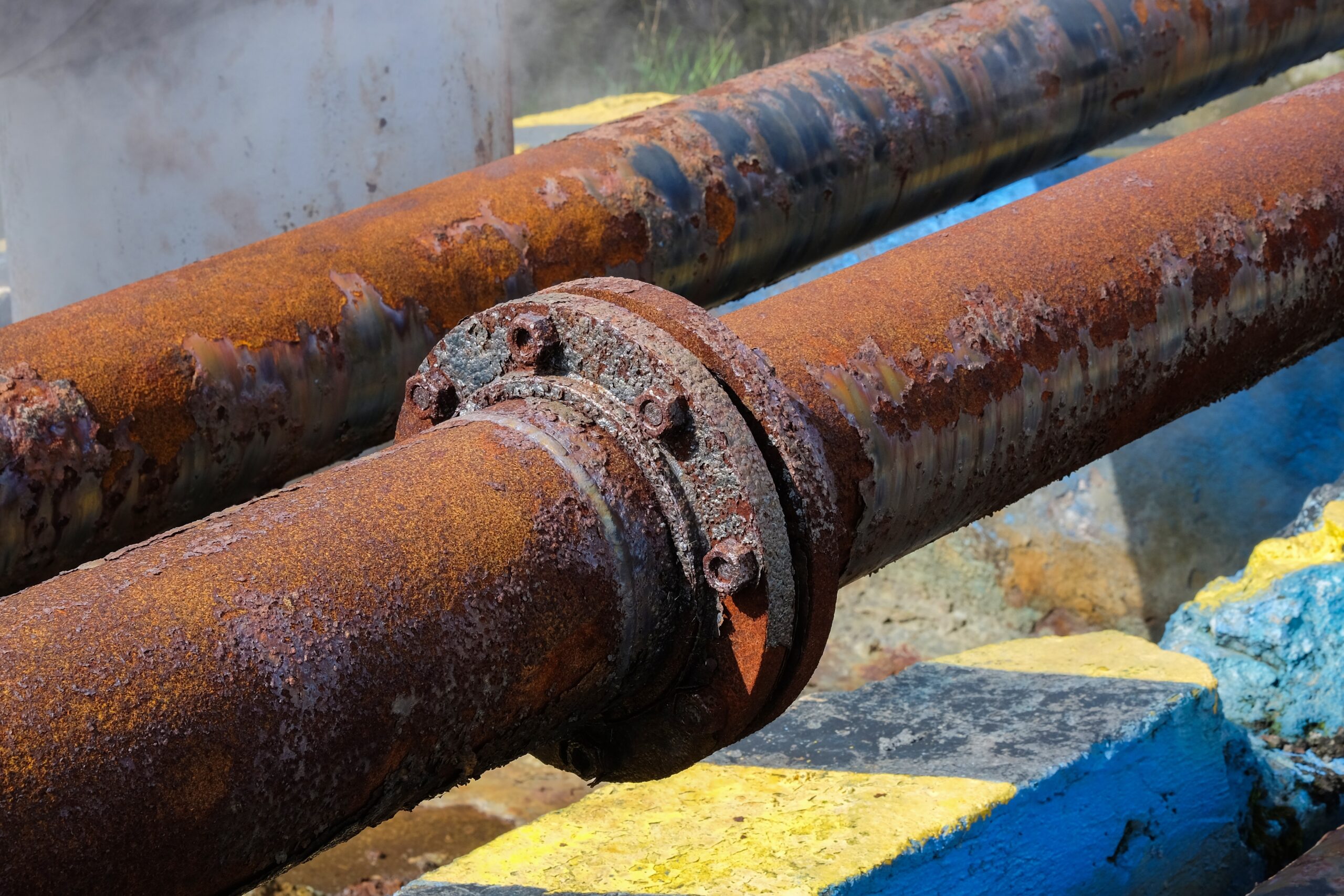
Like any infrastructure, water pipes experience wear over time.
Depending on the pipe material, age, water chemistry, and maintenance history, pipes may experience:
- Corrosion
- Mineral scale buildup
- Sediment accumulation
- Small cracks or leaks
- Reduced flow capacity
Corrosion is one of the most important concepts to understand.
Corrosion occurs when water reacts with plumbing materials, gradually wearing away portions of the pipe or fixture. Water utilities actively manage corrosion through treatment practices, but plumbing materials and water chemistry both play a role in how corrosion develops.
Older Plumbing Materials Can Affect Water
Many homes built decades ago contain plumbing materials that are uncommon in new construction today.
Historically, plumbing systems sometimes included:
- Lead service lines
- Lead solder
- Brass fixtures containing lead
- Galvanized steel piping
Modern regulations have significantly reduced the use of lead in drinking water plumbing, but older homes and neighborhoods may still contain legacy materials.
The U.S. Environmental Protection Agency (EPA) explains that lead typically enters drinking water after it leaves the treatment plant—not from the water source itself, but from corrosion of lead-containing plumbing materials. Lead service lines, older solder, and some brass fixtures can all contribute under certain conditions.
Importantly, this doesn’t mean every older home has elevated lead levels, nor does it mean every aging pipe poses the same risk. Water chemistry, plumbing materials, and corrosion control practices all influence whether metals can enter drinking water.
Lead Service Lines Remain a National Focus
One of the most widely discussed infrastructure issues today is the replacement of lead service lines.
A service line is the pipe that connects a home’s plumbing to the municipal water main. In older communities, some of these service lines were installed using lead.
The EPA estimates that millions of lead service lines remain across the United States, and federal regulations now require public water systems to identify and replace them over time.
Communities across the country are actively working toward this goal, but replacing underground infrastructure is a long-term project that requires significant planning, funding, and coordination.
Infrastructure Can Influence More Than Metals
Aging infrastructure doesn’t only relate to lead.
As water moves through older systems, infrastructure can also influence:
- Water color
- Taste
- Odor
- Sediment
- Rust particles
- Mineral content
For example, older iron pipes may occasionally release rust-colored water following repairs or changes in water flow. Sediment that has settled inside pipes may become temporarily disturbed during maintenance activities.
These changes are often aesthetic rather than indicators of unsafe water, but they highlight how distribution systems can influence what ultimately reaches your faucet.
Why Water Can Taste Different After Pipe Repairs
Have you ever noticed your tap water tasting different after construction or utility work?
This can happen because maintenance activities may temporarily disturb sediment or mineral deposits inside water mains.
Utilities often flush distribution systems after repairs to help remove loosened particles and restore normal water quality.
Temporary changes in appearance or taste don’t necessarily indicate contamination, but they illustrate how water distribution systems remain dynamic long after treatment.
Replacing Water Infrastructure Takes Time
Replacing aging infrastructure isn’t as simple as swapping out a single pipe.
Utilities must coordinate:
- Engineering studies
- Traffic management
- Underground utility mapping
- Property access
- Funding
- Environmental permitting
- Construction schedules
Some service lines cross both public and private property, meaning homeowners and utilities may each be responsible for portions of the replacement.
The EPA’s Lead and Copper Rule Improvements are intended to accelerate lead service line replacement nationwide, but completing these projects will take years in many communities.
What Can Homeowners Do?
While utilities manage public infrastructure, homeowners also play an important role.
If you live in an older home, consider:
- Learning the age of your home’s plumbing
- Asking your utility whether your property has a lead service line
- Reviewing your annual Consumer Confidence Report (CCR)
- Having your water tested if you have concerns
- Following EPA recommendations for reducing potential exposure, such as using only cold water for drinking and cooking and regularly cleaning faucet aerators.
These steps can help you better understand the characteristics of your household water.
Why Some Homeowners Add Another Layer of Purification
Even when municipal water meets regulatory standards, some homeowners choose to add point-of-use purification in their homes.
Their reasons vary.
Some want:
- A more consistent water profile
- Reduced reliance on bottled water
- Greater control over the water they drink and cook with
- Additional purification beyond municipal treatment
This is where understanding different purification technologies becomes valuable.
How Distillation Addresses Water After It Reaches Your Home
Unlike municipal treatment, which must process enormous volumes of water for entire communities, a home water distiller purifies water at the point of use.
Distillation works by:
- Heating water into steam.
- Leaving many dissolved solids and contaminants behind in the boiling chamber.
- Condensing the steam back into liquid water.
- Passing the finished water through a post-carbon filter to help address volatile compounds.
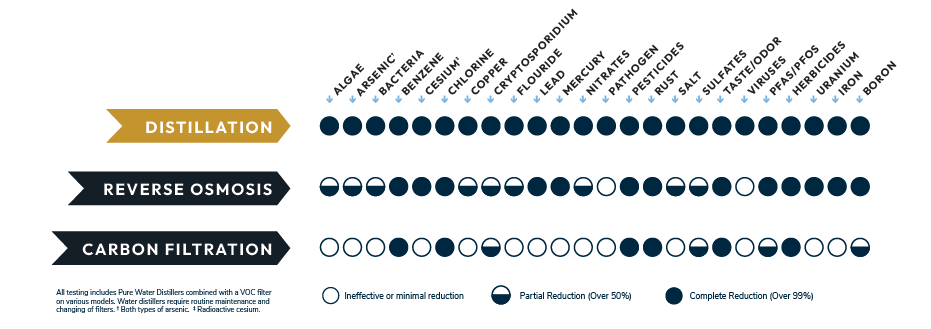
This process is fundamentally different from simply filtering water because it physically separates water from many dissolved substances through evaporation, condensation, and precipitation.
Because distillation occurs in your home, it purifies the water after it has passed through municipal infrastructure and household plumbing.
For homeowners who want a consistent water profile regardless of changing source water, seasonal treatment adjustments, or local plumbing conditions, this offers an additional level of control over the water they use for drinking, cooking, coffee, tea, and ice.
A Long-Term Investment in Water Quality
America’s water infrastructure is one of the largest engineering systems ever built—and maintaining it is an ongoing effort.
Utilities across the country continue to invest billions of dollars in replacing aging pipes, upgrading treatment facilities, and modernizing distribution systems. These improvements benefit entire communities and help ensure reliable access to drinking water for future generations.
At the same time, homeowners increasingly recognize that the final stretch of water’s journey—from the street to the kitchen faucet—can influence what ultimately ends up in their glass.
The Bottom Line
Old pipes don’t automatically mean poor water quality, and today’s public water systems are subject to extensive monitoring and regulatory oversight. However, aging infrastructure remains an important factor in how drinking water changes between the treatment plant and your home.
Understanding how plumbing materials, corrosion, and distribution systems affect water helps consumers make informed decisions about their household water.
For families looking to produce highly purified water at home, a water distiller offers a purification process inspired by nature’s own hydrologic cycle. By converting water into steam and condensing it back into liquid, distillation removes many dissolved solids and impurities that can influence water quality, providing a consistent source of pure water regardless of the age of the pipes outside your home.
At My Pure Water, we believe that informed choices start with education. Whether your home is brand new or more than a century old, understanding how water reaches your faucet is the first step toward deciding what purification solution best fits your needs.

References
- U.S. Environmental Protection Agency. Lead in Drinking Water. https://www.epa.gov/lead/lead-drinking-water
- U.S. Environmental Protection Agency. Basic Information About Lead in Drinking Water. https://www.epa.gov/ground-water-and-drinking-water/basic-information-about-lead-drinking-water
- U.S. Environmental Protection Agency. Lead Service Lines. https://www.epa.gov/ground-water-and-drinking-water/lead-service-lines
- U.S. Environmental Protection Agency. Sources of Lead in Drinking Water. https://www.epa.gov/ground-water-and-drinking-water/sources-lead-drinking-water-text-only
- U.S. Environmental Protection Agency. Planning and Conducting Lead Service Line Replacement. https://www.epa.gov/ground-water-and-drinking-water/planning-and-conducting-lead-service-line-replacement
- Centers for Disease Control and Prevention. About Lead in Drinking Water. https://www.cdc.gov/lead-prevention/prevention/drinking-water.html
Leave a Reply