

Is a Water Distiller Worth It? What to Consider Before Investing in One
When it comes to drinking water, most people don’t think much about it until they encounter a problem. Maybe their tap water tastes unusual. Maybe they’re tired of buying bottled water every week. Maybe they’re researching ways to reduce contaminants in their household water supply.
At some point, many consumers begin comparing water treatment options and asking an important question:
Is a water distiller worth it?
The answer depends on your priorities. If you’re looking for a system that produces highly purified water, reduces reliance on bottled water, and offers a consistent water profile regardless of your source water, a water distiller may be worth serious consideration.
Let’s take a closer look at how water distillers work, what they remove, how they compare to other water treatment methods, and the factors that determine whether a water distiller is a worthwhile investment for your home.
What Is a Water Distiller?
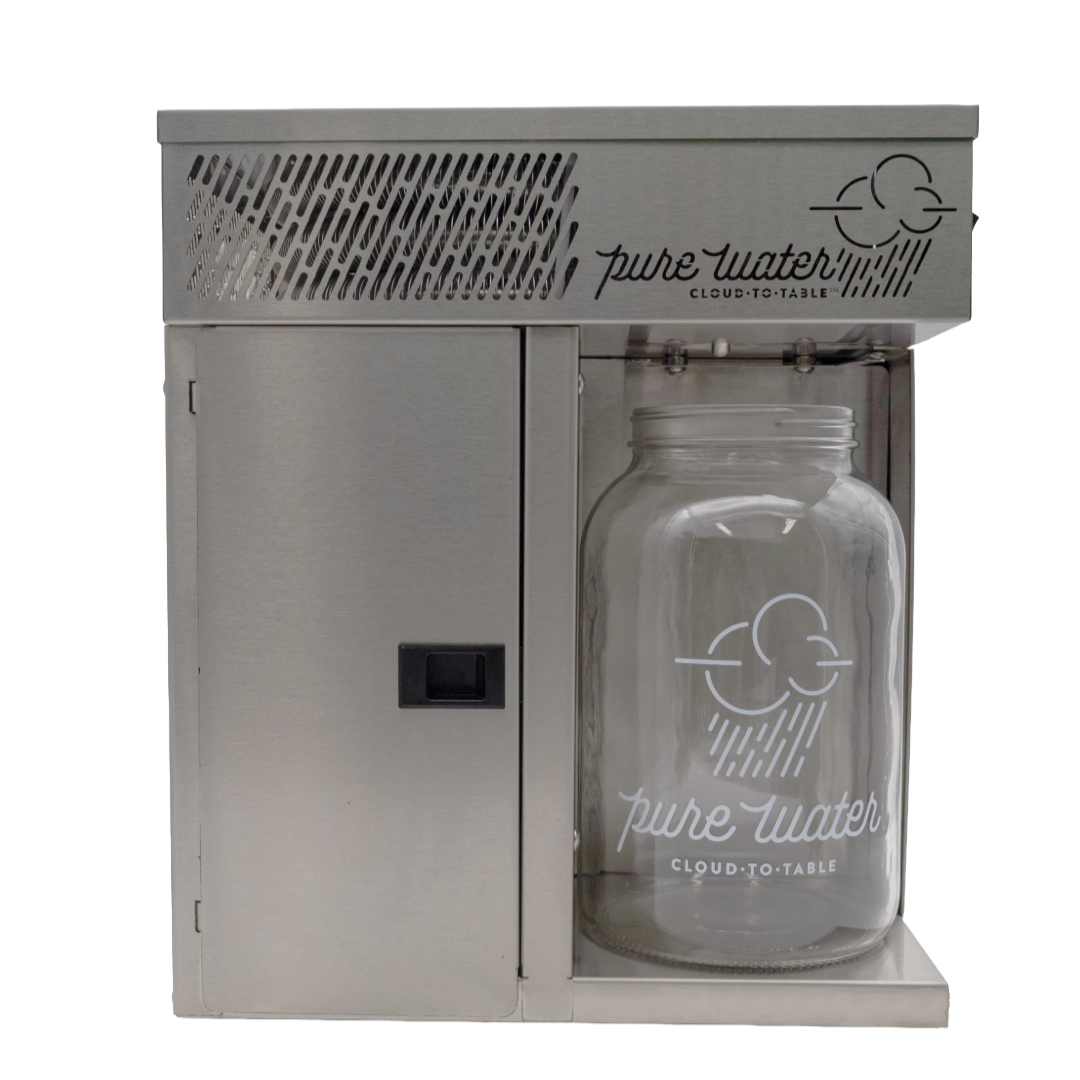
A water distiller is a device that purifies water through a process called distillation.
Distillation works by:
- Heating water until it turns into steam
- Leaving many dissolved solids and contaminants behind
- Cooling the steam back into liquid water
- Collecting the purified water in a separate container
Many modern distillers also incorporate a post-carbon filter to help remove certain volatile organic compounds (VOCs) that may vaporize during heating. The process is remarkably similar to Earth’s natural hydrologic cycle. Water evaporates, separates from many impurities, condenses, and returns as purified water. This simple but effective approach has been used for centuries and remains one of the most trusted methods for producing high-purity water.
Why People Consider Buying a Water Distiller
Every household has different reasons for exploring water treatment options.
Some common motivations include:
Concerns About Water Quality
Consumers are becoming increasingly aware of contaminants that may be present in source water supplies.
Reports from regulatory agencies, utilities, and researchers frequently discuss substances such as:
- Lead
- PFAS
- Nitrates
- Arsenic
- Chlorine byproducts
- Pharmaceuticals
- Industrial chemicals
While municipal water systems work to meet regulatory standards, many consumers want an additional layer of purification in their homes.
Reducing Bottled Water Dependence
Many households purchase bottled water because they prefer its taste or convenience. However, bottled water can become expensive over time. It also generates significant amounts of plastic waste. A water distiller allows homeowners to produce purified water at home rather than continually purchasing bottled water.
Consistency
One of the unique advantages of distillation is consistency.
Tap water can vary depending on:
- Location
- Source water
- Seasonal changes
- Municipal treatment adjustments
- Infrastructure conditions
Distillation removes many of the variables that affect water composition, creating a more predictable water profile from batch to batch.
What Does a Water Distiller Remove?
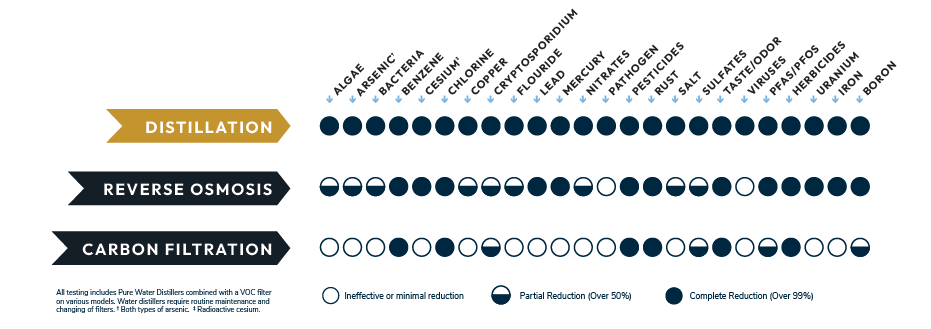
One of the biggest reasons people invest in water distillers is their ability to remove a wide range of contaminants. Because distillation separates water through evaporation and condensation, it can reduce many substances that do not vaporize along with water.
These may include:
- Dissolved minerals
- Heavy metals
- Salts
- Sediment
- Many bacteria
- Many viruses
- Nitrates
- Arsenic
- PFAS
- Fluoride
The exact performance depends on the specific contaminant and the distiller’s design. High-quality water distillers often achieve removal rates exceeding 99% for many common contaminants. For consumers seeking highly purified water, this broad-spectrum reduction capability is often one of distillation’s strongest advantages.
How Does Distillation Compare to Other Water Treatment Methods?
When evaluating whether a water distiller is worth it, it helps to compare it with other common treatment options.
Activated Carbon Filters
Carbon filters are popular because they are inexpensive and improve taste and odor.
They are effective for reducing:
- Chlorine
- Certain VOCs
- Some taste and odor compounds
However, carbon filters generally do not remove dissolved minerals, salts, or many inorganic contaminants to the same degree as distillation.
Reverse Osmosis Systems
Reverse osmosis (RO) systems use a semi-permeable membrane to reduce many contaminants. RO systems can be highly effective and are widely used in residential applications.
However, performance depends on:
- Membrane condition
- Water pressure
- Maintenance
- Pretreatment requirements
RO systems also produce wastewater during operation.
Distillation
Distillation differs from filtration in that it relies on a phase change rather than on filtration alone. The process physically separates water from many contaminants through evaporation and condensation. For consumers seeking a highly purified final product with minimal dependence on source-water conditions, distillation remains one of the most comprehensive purification methods available.
The Cost Question: Is It Worth the Investment?
One of the most common concerns is cost. A quality water distiller represents a larger upfront investment than a pitcher filter or faucet attachment. However, evaluating value requires looking beyond the initial purchase price.
Consider Ongoing Bottled Water Costs
Many families spend hundreds or even thousands of dollars annually on bottled water. When evaluated over several years, the cost of bottled water can often exceed the purchase price of a distillation system.
Long-Term Durability
Many premium water distillers are designed for long service lives.
Features such as:
- Stainless steel construction
- Durable heating components
- Serviceable designs
can allow a well-maintained unit to provide purified water for many years.
Predictable Water Production
Unlike constantly purchasing bottled water, a water distiller gives users direct control over producing water on demand. For many households, that convenience becomes a significant part of the value proposition.
What About Maintenance?
Every water treatment system requires some level of maintenance. Fortunately, water distillers are relatively straightforward.
Typical maintenance includes:
- Cleaning the boiling chamber
- Removing mineral scale buildup
- Replacing carbon post-filters (when applicable)
- Periodic inspection of components
One unique aspect of distillation is that users can actually see many of the substances left behind after a cycle. The residue remaining in the boiling chamber often serves as a visible reminder that dissolved solids and minerals were separated from the finished water.
Who Benefits Most From a Water Distiller?
A water distiller may be particularly appealing for:
Households Seeking High-Purity Water
People who prioritize purity often appreciate the comprehensive nature of distillation.
Areas With Challenging Water Quality
Consumers dealing with hard water, high mineral content, or specific water quality concerns may find distillation especially attractive.
Frequent Bottled Water Buyers
Families that regularly purchase bottled water may discover that producing purified water at home is more convenient and economical over time.
Appliance Owners
Distilled water is commonly used in:
- Humidifiers
- CPAP equipment
- Steam irons
- Certain laboratory applications
- Automotive batteries
Using distilled water can help reduce mineral buildup in equipment designed for purified water use.

Common Misconceptions About Water Distillers
“Distilled Water Is Just Boiled Water”
This is one of the most common myths. Boiling water and distillation are not the same process. Boiling may kill many microorganisms, but the dissolved solids and minerals remain in the water. Distillation physically separates purified water from many contaminants through evaporation and condensation.
“All Water Treatment Systems Work the Same”
Different technologies target different contaminants. No single system should be evaluated solely on marketing claims. Understanding how a treatment method works helps consumers choose the right solution for their goals.
“Taste Determines Water Quality”
Taste is subjective. Water can taste good, bad, or neutral for many reasons. A pleasant taste alone does not indicate purity, and an unusual taste does not necessarily indicate a safety issue.
So, Is a Water Distiller Worth It?
For many households, the answer is yes.
A water distiller offers several advantages:
- Produces highly purified water
- Reduces a broad range of contaminants
- Creates a consistent water profile
- Reduces dependence on bottled water
- Provides long-term value
- Mimics nature’s own purification cycle
Whether it is worth the investment ultimately depends on your priorities. If convenience, purity, consistency, and long-term control over your water supply are important to you, a quality water distiller can be a valuable addition to your home.
The Bottom Line
Water treatment is not a one-size-fits-all decision. Every household has unique goals, water conditions, and preferences.
However, for those seeking one of the most comprehensive water purification methods available, distillation continues to stand apart. By transforming water into steam and condensing it back into liquid form, distillation removes many of the substances that contribute to variability in drinking water.
At My Pure Water, we believe understanding your options is the first step toward making an informed decision. Whether you’re exploring alternatives to bottled water, researching purification technologies, or looking for a more consistent source of pure H₂O, understanding how distillation works can help determine whether a water distiller is worth it for your household.

Leave a Reply